



As global energy systems evolve, traditional power infrastructure faces increasing pressure. The rise of renewable energy, distributed power generation, and urban and industrial high-demand loads requires smarter, more flexible solutions. Solid State Transformers (SSTs) are no longer just experimental technology—they are a practical solution for enhancing energy efficiency, grid flexibility, and intelligent power management across industries.
This article explores the real-world value of SSTs, highlighting practical applications and industry examples to demonstrate why they are becoming a key technology for modern power systems.
Transforming Power Management
SSTs offer a wide range of advantages over traditional transformers. By enabling real-time voltage regulation and bidirectional energy flow, they enhance grid stability and reduce energy losses. For industries and utilities, this means better handling of peak loads, faster response to demand changes, and improved overall operational efficiency.
In industrial parks, SSTs manage high-density loads efficiently, ensuring reliable power supply for complex machinery while optimizing energy use. In addition, their compact design reduces the physical footprint compared to conventional transformers—a significant advantage in urban or space-constrained environments.
Supporting Renewable Energy and Microgrids
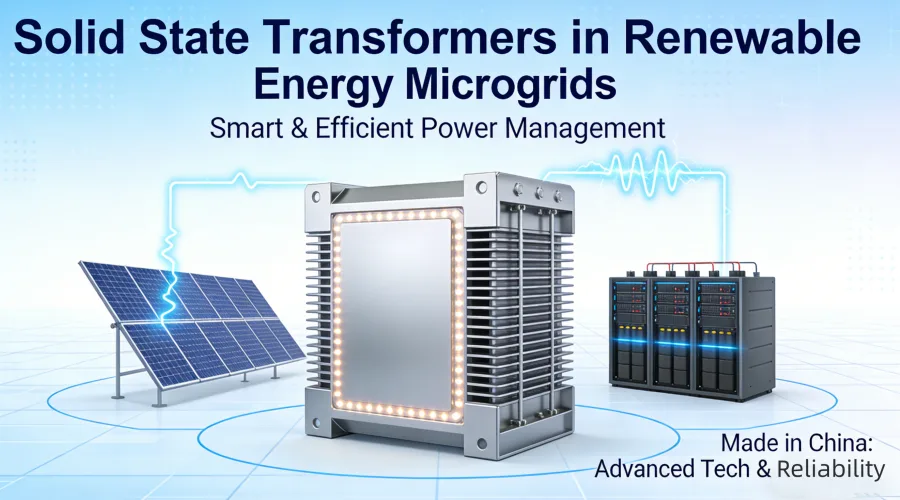
As renewable energy adoption accelerates, the need for reliable integration into the grid has grown. SSTs play a critical role in microgrid systems, enabling smooth integration of solar, wind, and energy storage systems. By stabilizing voltage and power flow, SSTs maximize the utilization of renewable energy and maintain continuous, high-quality power even in variable load conditions.
For remote industrial facilities or communities, SST-based microgrids ensure resilient power supply, reduce dependency on fossil fuels, and support energy independence. These applications demonstrate how SSTs can turn theoretical efficiency gains into tangible operational benefits.
Advancing Electric Vehicle Infrastructure
The rise of electric vehicles (EVs) has placed new demands on power distribution networks. Fast-charging stations and vehicle-to-grid systems require precise power control and efficient energy management. SSTs provide the flexibility to regulate high loads during peak charging periods, balance energy flow, and even enable bidirectional charging where EVs can return energy to the grid.
Urban transit systems and smart transportation networks also benefit from SSTs, as they allow dynamic adjustment of energy supply to match real-time demand. This ensures reliable service and reduces strain on local power networks.
Read More:Solid State Transformer (SST): Technology, Applications, and Future of Smart Power Systems
Real-World Industry Case Studies
Steel Plant High-Density Load Management
In a major steel facility, traditional transformers were replaced with SSTs to improve voltage regulation and power distribution. The result was an 8% reduction in energy consumption and a significant decrease in production line downtime.
Renewable Energy Microgrid Integration
A remote industrial park integrated solar panels and energy storage systems using SST technology. SSTs stabilized output under fluctuating load conditions and increased renewable energy utilization by 15%, delivering both operational efficiency and sustainability benefits.
Urban EV Fast-Charging Station
An urban EV charging network deployed SSTs to manage high peak loads during rush hours. The solution reduced infrastructure footprint, optimized power distribution, and ensured fast, reliable charging for users.
These cases illustrate how SSTs move beyond theory into practical solutions that improve efficiency, reliability, and flexibility in a variety of sectors.
Why China-Made SSTs Are a Competitive Choice
China’s manufacturing capabilities in SSTs offer several advantages for global customers:
- Cost Efficiency: Competitive pricing without compromising quality.
- 인증: Products meet international standards including CE, UL, and CSA.
- 사용자 지정: Solutions tailored to industrial, transportation, and renewable energy applications.
- Short Lead Times: Fast production and delivery to meet urgent project requirements.
This combination of quality, flexibility, and speed makes China-manufactured SSTs an attractive option for companies seeking to deploy modern power systems worldwide.
Looking Ahead: The Future of SST
The future of SSTs is closely tied to developments in wide-bandgap semiconductors like SiC and GaN, which enhance efficiency, thermal tolerance, and reliability. As microgrids, renewable energy systems, and smart grids continue to expand, SSTs will play a central role in managing distributed energy and enabling advanced energy management strategies.
Additionally, digital controls and AI-driven predictive maintenance will allow operators to monitor performance, detect anomalies, and optimize operations in real-time, further unlocking the potential of SSTs for modern power systems.
결론
Solid State Transformers are more than a technological innovation—they are a practical tool for enhancing the efficiency, reliability, and intelligence of modern power systems. From industrial parks and microgrids to EV charging networks and smart urban infrastructure, SSTs deliver tangible operational benefits and open new opportunities for energy optimization.
For companies seeking reliable, cost-effective, and customizable SST solutions, China-based manufacturers provide high-quality products with international certifications, fast delivery, and proven performance in real-world applications. As the energy landscape continues to evolve, SSTs will be at the forefront of smarter, more flexible power distribution worldwide.
