Introduction: Why Solid State Transformers Matter
Global power systems are undergoing a fundamental transformation. With the rapid expansion of renewable energy, electrification of transportation, and the rise of smart grids, traditional transformers are no longer sufficient to meet modern energy demands.
This is where Solid State Transformers (SSTs) come into play.
SST technology represents a new generation of power conversion systems that combine power electronics, digital control, and high-frequency transformers to deliver smarter, more efficient, and highly flexible power solutions.
At Evernew Transformer, we are actively exploring and developing advanced transformer technologies to support global industrial and utility-scale projects.
What is a Solid State Transformer?
A Solid State Transformer (SST)-としても知られている。 Power Electronic Transformer (PET)—is an advanced electrical device that replaces traditional electromagnetic transformers with a power electronics-based architecture.
Core Functional Principle
Instead of directly stepping voltage up or down using magnetic coupling at grid frequency (50/60 Hz), SST operates through three main stages:
AC to DC Conversion (Rectification)
High-Frequency DC/DC Conversion via Transformer
DC to AC Conversion (Inversion)
This architecture enables:
Precise voltage control
Bidirectional power flow
Integration with digital systems
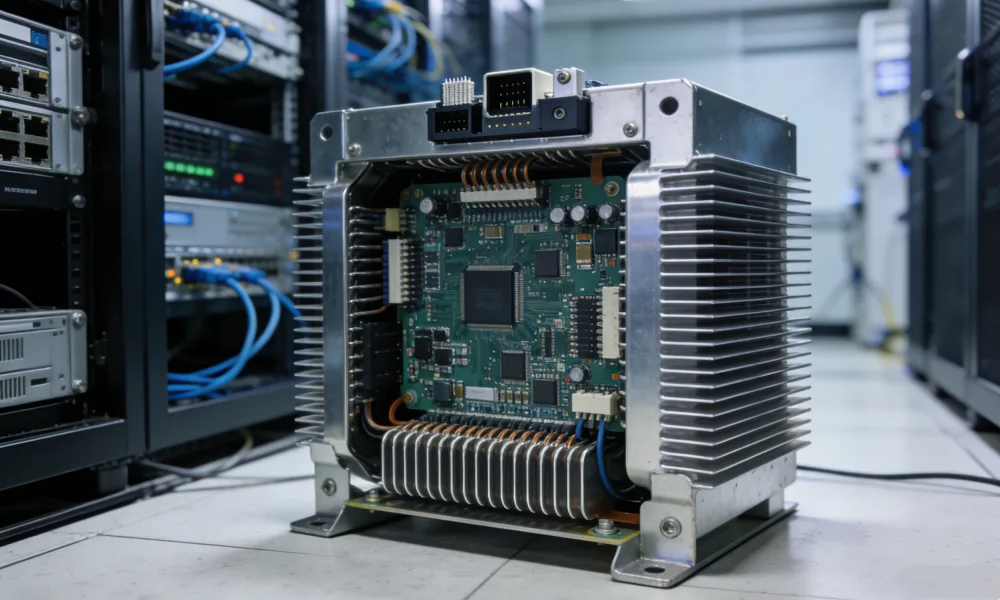
Internal Structure of SST
A typical SST consists of several key components:
Input Stage (AC/DC Converter)
High-Frequency Transformer (Isolation & Voltage Conversion)
DC Link (Energy Buffer)
Output Stage (DC/AC Converter)
Control System (DSP/FPGA-based)
Key Technologies Involved
IGBT / SiC / GaN semiconductors
High-frequency magnetic materials
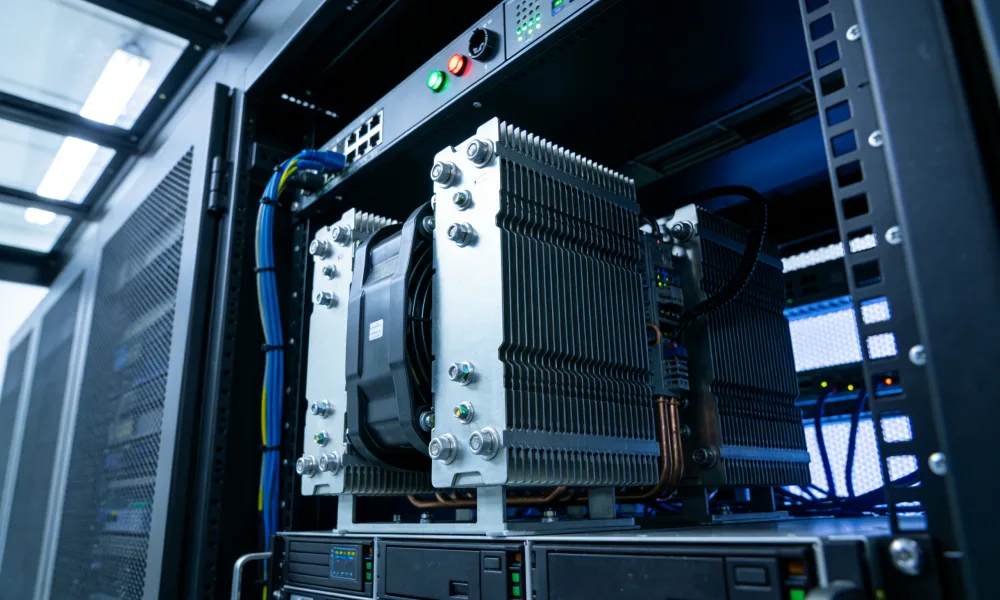
Advanced thermal management systems
Digital control algorithms
Key Advantages of Solid State Transformers
1. Significantly Higher Efficiency
SSTs reduce losses through optimized switching and advanced semiconductor materials, especially in partial load conditions.
2. Compact and Lightweight Design
Operating at high frequencies dramatically reduces transformer core size, making SSTs ideal for:
Urban substations
Offshore platforms
EVインフラ
3. Intelligent Control & Smart Grid Integration
SSTs enable:
Real-time monitoring
Voltage stabilization
Fault isolation
Remote control
4. Bidirectional Power Flow
Essential for:
再生可能エネルギー・システム
Energy storage
Vehicle-to-grid (V2G) applications
5. Enhanced Power Quality
SSTs can:
Eliminate harmonics
Improve power factor
Stabilize voltage fluctuations
Solid State Transformer vs Traditional Transformer
| パラメータ | Traditional Transformer | Solid State Transformer |
|---|---|---|
| Operating Frequency | 50/60 Hz | High Frequency |
| サイズと重量 | Large | コンパクト |
| 効率性 | ミディアム | 高い |
| Control | Passive | Active & Intelligent |
| Renewable Integration | Limited | 素晴らしい |
| Power Quality | Basic | Advanced |
Key Applications of SST Technology
1. Smart Grids & Digital Substations
SSTs are ideal for next-generation grids where flexibility and digital control are essential.
2. Renewable Energy Integration
Solar PV systems
風力発電所
Hybrid energy systems
SSTs enable stable grid interaction and energy smoothing.
3. Electric Vehicle (EV) Charging Infrastructure
Fast DC charging stations
High-power charging hubs
4. Industrial Power Systems
製鉄所
データセンター
Heavy manufacturing
5. Railways and Transportation
Traction systems
Metro and high-speed rail
Technical Challenges and Industry Barriers
Despite its advantages, SST technology still faces several challenges:
High Initial Investment
Advanced components increase upfront costs compared to traditional transformers.
Thermal Management
High switching frequencies require efficient cooling systems.
Reliability of Power Electronics
Long-term stability of semiconductors under high voltage stress is critical.
Standardization
Industry standards for SST are still evolving globally.
Future Trends in Solid State Transformer Technology
The SST market is expected to grow rapidly due to:
Wide Bandgap Semiconductors
Silicon Carbide (SiC)
Gallium Nitride (GaN)
These materials enable higher efficiency and temperature tolerance.
Integration with Energy Storage
SSTs will act as energy hubs connecting batteries, renewables, and loads.
AI and Digital Monitoring
Predictive maintenance and real-time optimization will become standard.
Decentralized Energy Systems
SSTs will support microgrids and distributed energy networks.
Evernewトランスを選ぶ理由
As a professional transformer manufacturer in China, Evernew Transformer offers:
Strong Manufacturing Capability
Advanced production facilities
Strict quality control systems
Engineering Expertise
Customized solutions for HV/EHV projects
Support for industrial and utility applications
世界的な輸出実績
Serving clients worldwide
Compliance with international standards
Reliable Partnership
We focus not only on product quality, but also on long-term cooperation and project success.
How to Source Solid State Transformers from China
For international buyers, sourcing SSTs requires careful evaluation:
主な検討事項
Manufacturer experience and R&D capability
Quality certifications and testing standards
Customization capability
アフターサービス
Why Work Directly with Manufacturers?
Better pricing (factory-level cost)
テクニカルサポート
Faster communication
Evernew Transformer provides direct factory supply, ensuring quality, reliability, and competitive pricing.
結論
Solid State Transformers are redefining the future of power distribution. With their intelligent control, high efficiency, and adaptability to modern energy systems, SSTs are becoming a critical component in smart grids and industrial applications.
As global energy systems continue to evolve, partnering with an experienced and reliable manufacturer is essential.
Evernew Transformer is committed to delivering innovative, high-performance transformer solutions to support your next project.
行動への呼びかけ
Looking for advanced transformer solutions for your project?
Evernew Transformerへのお問い合わせ to get:
Customized SST solutions
Technical consultation
Competitive factory pricing
