
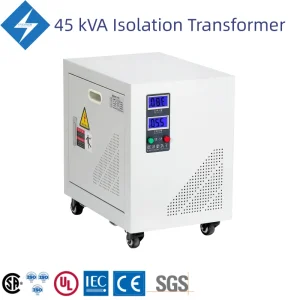
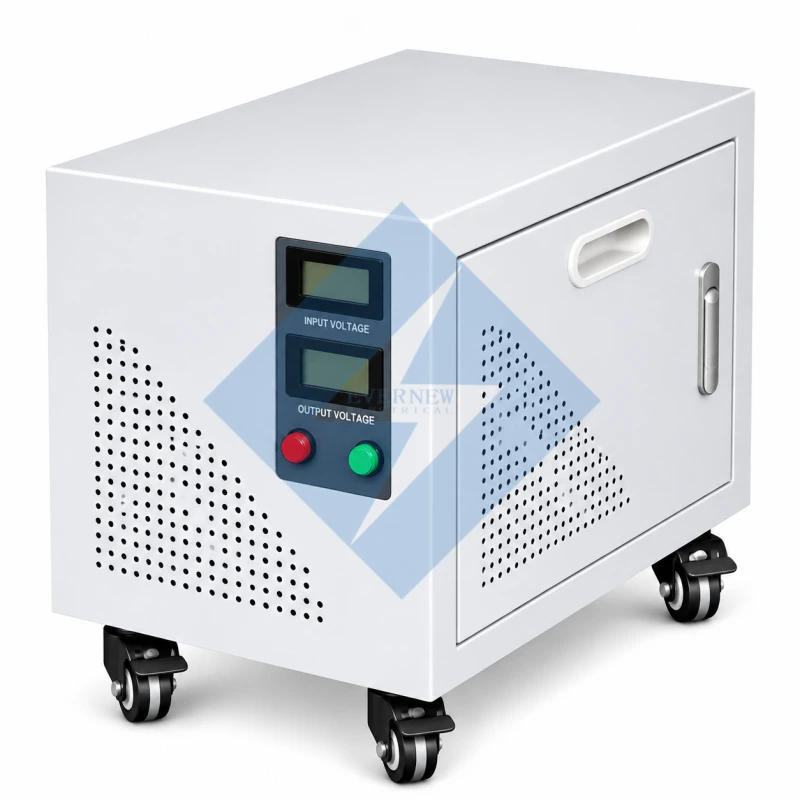
一般に三相分離変圧器として知られている三相分離変圧器は三相電源システムのために設計されています。入力電力と出力電力の間を効果的に電気的に絶縁し、システムの安全性と安定性を大幅に向上させます。絶縁トランスは、信頼性の高い電力供給が不可欠な産業オートメーション、大型機械、配電システム、データセンターなどで広く使用されています。
三相絶縁トランスの主な利点は、一次コイルと二次コイルを分離することで電気的絶縁を確保し、直流伝送を防止して機器を電気的干渉から保護できることです。さらに、分離変圧器は効果的に電圧を調整し、装置が安定した電圧条件の下で作動することを保障し、変動によって引き起こされる潜在的な損傷を避けることができます。また、電力系統の高調波干渉を低減し、全体的な電力品質を向上させ、機器の正常な動作を保証することができます。
絶縁トランスの効率は注目に値します。エネルギー損失を最小限に抑え、機器の耐用年数を延ばすため、高性能材料で設計されています。また、負荷容量が大きく、大電力用途に適しています。
絶縁トランスは用途に応じて様々な構成があります。標準的な三相絶縁トランスはほとんどの産業用途に適しており、KVA定格は10KVA~500KVA、電圧レベルは通常380V、415V、440V、480V以上です。低ノイズトランスは、オーディオ機器や繊細な電子機器など、音の干渉を最小限に抑える必要がある環境向けに設計されており、KVA定格は15KVA~200KVA、電圧オプションには208V、240V、480Vがあります。高電圧バージョンは、送電や大型産業機械を含むアプリケーションに適しており、KVA定格は100KVA~2000KVA、電圧レベルは600V~33kVです。特殊な用途には、カスタム三相絶縁変圧器を特定の要件に合わせて調整することができ、さまざまなお客様のニーズに対応するために幅広いKVAと電圧レベルを提供しています。
Evernew Transformerは、中国で認知されているトップトランスメーカーの1つであり、工場卸売価格で絶縁トランスの幅広い選択肢を提供し、お客様のさまざまなニーズを満たすために高品質の製品と専門的なサービスを保証します。
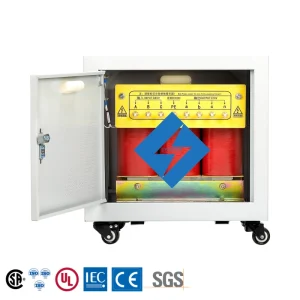
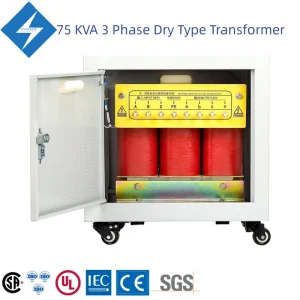
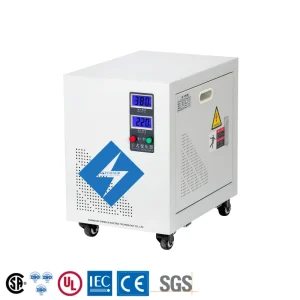
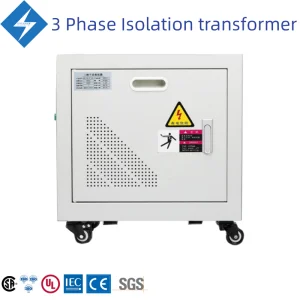
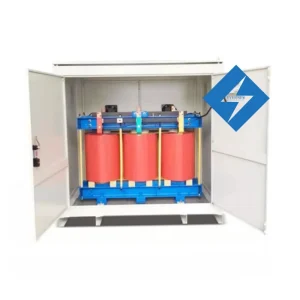
絶縁トランスとは何ですか?
An isolation transformer is an electrical transformer designed with separate primary and secondary windings to provide galvanic isolation between input and output circuits. Unlike an autotransformer, which uses a shared winding, an isolation transformer transfers electrical energy without a direct electrical connection between the primary and secondary circuits.
Isolation transformers are widely used in industrial machinery, electrical control systems, automation equipment, laboratories, commercial facilities and specialized power applications.
As an experienced transformer manufacturer, Evernew Transformer provides customized single-phase and three-phase dry-type isolation transformers with different voltage configurations, rated capacities, winding materials and electrostatic shielding options.
Our engineering team can evaluate customer drawings and technical specifications to develop isolation transformer solutions for different electrical systems and installation conditions.
What Types of Isolation Transformers Are Available?
Isolation transformers can be designed in different configurations according to electrical requirements, installation environments and intended applications.
Single Phase Isolation Transformer
Single-phase isolation transformers are used in electrical systems requiring isolated single-phase power supplies. Typical applications include electronic equipment, control circuits, laboratory instruments and industrial machinery.
Available options include customized primary and secondary voltages, copper or aluminum windings and optional electrostatic shielding.
Three Phase Isolation Transformer
Three-phase isolation transformers provide galvanic isolation for industrial power systems and three-phase electrical equipment. They are commonly used in manufacturing facilities, motor control systems, automation equipment and industrial power distribution.
Evernew offers customized three-phase designs with different voltage ratios, winding configurations and enclosure options.
乾式絶縁変圧器
Dry-type isolation transformers use air as the primary cooling medium and do not require liquid insulating oil. They are suitable for indoor electrical installations, industrial facilities, commercial buildings and equipment rooms.
Depending on project requirements, they can be supplied in open-type or enclosed configurations.
Shielded Isolation Transformer
Shielded isolation transformers incorporate an electrostatic shield between primary and secondary windings to reduce capacitive coupling and help attenuate common-mode electrical noise.
Single or double electrostatic shielding can be incorporated according to the electrical characteristics and grounding requirements of the application.
Enclosed Isolation Transformer
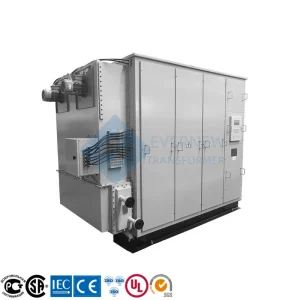
Enclosed isolation transformers feature protective metal cabinets designed to provide mechanical protection and controlled access to internal electrical components.
Different enclosure arrangements, ventilation systems and IP protection levels can be considered according to installation requirements.
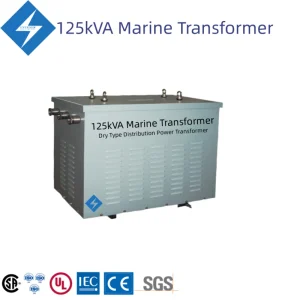
Marine Isolation Transformer
Marine isolation transformers are designed for shipboard and offshore electrical applications. Customized designs can incorporate appropriate insulation systems, corrosion protection, enclosure arrangements and project-specific marine requirements.
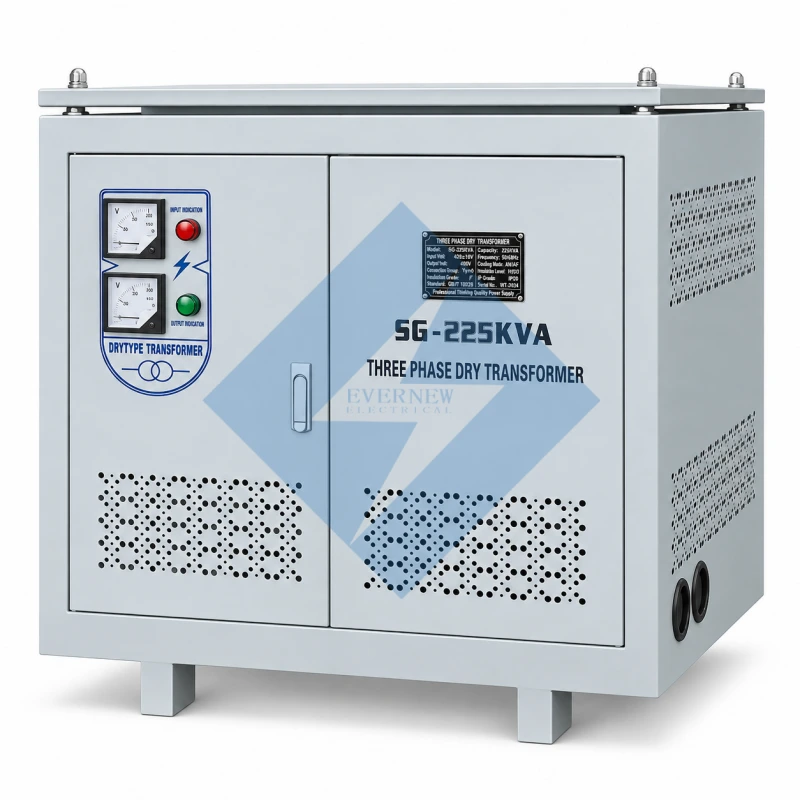
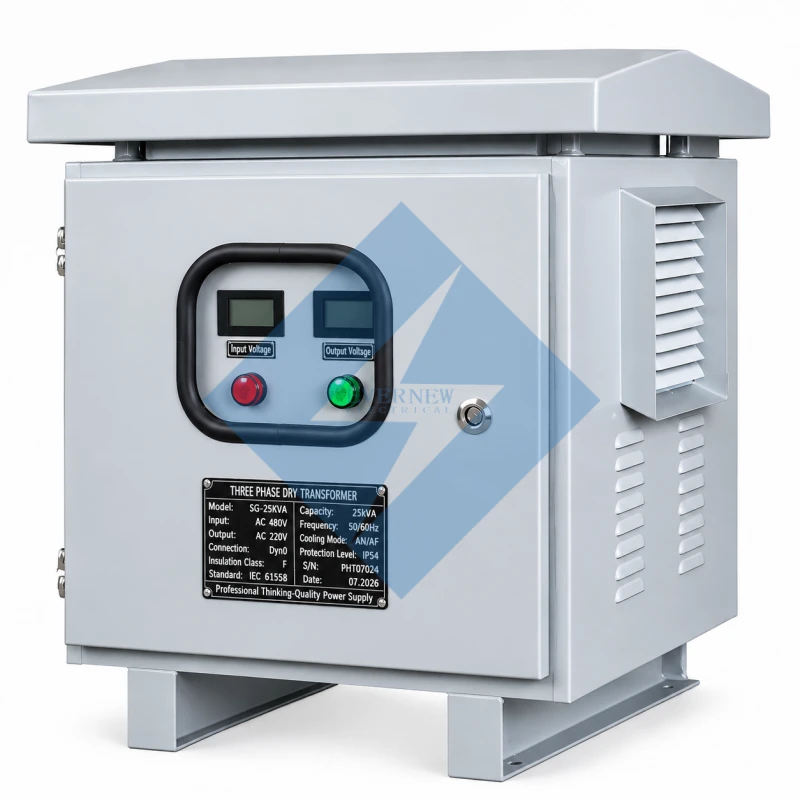
What Are the Technical Specifications of an Isolation Transformer?
Evernew manufactures single-phase and three-phase dry type isolation transformers with rated capacities ranging from 1 kVA to 2,500 kVA. Customized transformer designs are available according to voltage requirements, electrical loads, installation conditions and project specifications.
Isolation Transformer Sizes and kVA Ratings
Evernew offers a wide range of isolation transformer sizes for different electrical loads and industrial applications. Available capacities include 5 kVA, 10 kVA, 15 kVA, 25 kVA, 30 kVA, 45 kVA, 50 kVA, 75 kVA, 100 kVA, 150 kVA, 200 kVA, 225 kVA, 250 kVA, 300 kVA, 500 kVA, 750 kVA, 1000 kVA, 1500 kVA and 2500 kVA.
Whether you require a small single-phase isolation transformer, a 50 kVA three-phase isolation transformer, a 225 kVA enclosed dry type transformer or a large industrial isolation transformer, our engineering team can evaluate your requirements and provide customized solutions.
Where Are Isolation Transformers Used?
Isolation transformers are used in electrical systems where galvanic isolation, circuit separation or reduced transfer of certain electrical disturbances is required.
Industrial Machinery and CNC Equipment
Industrial isolation transformers provide electrically isolated power supplies for CNC machines, production machinery and precision manufacturing equipment. They help separate equipment circuits from upstream electrical systems.
Industrial Automation and Control Systems
They are used in PLC systems, automation control cabinets, industrial production lines and manufacturing equipment requiring electrically separated power supplies.
UPS Systems and Data Centers
Isolation transformers can be integrated into selected UPS configurations and data center electrical distribution systems where galvanic isolation is required.
Motor Drives and Power Electronics
They are used in selected variable frequency drive systems, rectifiers, inverters and industrial power electronic equipment. Special winding configurations can be considered according to load characteristics and electrical requirements.
Marine and Offshore Applications
Marine isolation transformers provide electrical isolation for shipboard equipment, auxiliary power systems and offshore electrical installations.
Laboratories and Electrical Testing
They are used in electrical laboratories, testing facilities and specialized equipment power supplies requiring electrically separated power sources.
What Is the Difference Between Single Phase and Three Phase Isolation Transformers?
The main difference is the electrical supply configuration and the type of equipment they are designed to serve.
The correct configuration should be selected according to the equipment input requirements, available power supply and electrical system design.
What Customization Options Are Available for Isolation Transformers?
Different industrial applications require different transformer configurations. Evernew provides customized isolation transformer manufacturing based on customer drawings, electrical specifications and actual operating conditions.
Electrical Design Options
Single-phase and three-phase configurations
Customized primary and secondary voltages
1:1 and other voltage transformation ratios
50Hz and 60Hz frequency designs
Customized rated capacities
Winding and Insulation Options
銅またはアルミニウム製の巻線
Customized winding arrangements
Single or double electrostatic shielding
Insulation systems suitable for specified operating conditions
Customized insulation and temperature-rise requirements
Mechanical and Enclosure Options
Open-type or enclosed construction
屋内または屋外への設置
Customized terminal and cable connection arrangements
Different enclosure protection levels
Customized mounting and installation dimensions
Additional Configurations
Temperature sensors and monitoring devices
Forced-air cooling where required
Customized control and protection accessories
Project-specific technical documentation and drawings
Our engineering team reviews each inquiry to determine the appropriate electrical design and manufacturing configuration.
How Does Electrostatic Shielding Work in an Isolation Transformer?
Electrostatic shielding is an additional design feature used in certain isolation transformers to reduce capacitive coupling between primary and secondary windings.
A conductive shielding layer is installed between the windings and connected according to the specified grounding arrangement. This helps reduce the transfer of certain common-mode electrical disturbances through capacitive coupling.
Depending on the application, Evernew can consider:
Single electrostatic shielding
Double electrostatic shielding
Customized grounding arrangements
Shielding requirements based on electrical noise characteristics
Shielding performance depends on the overall transformer design, installation and grounding conditions. It does not replace proper system grounding or other required electrical protection measures.
How Are Isolation Transformers Designed and Manufactured?
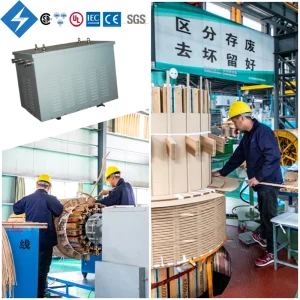
Evernew Transformer operates dedicated manufacturing facilities with in-house core processing, winding production, transformer assembly and electrical testing capabilities.
Our isolation transformer manufacturing process includes:
Technical specification review and engineering design
Silicon steel core cutting and processing
Primary and secondary winding production
Insulation and electrostatic shielding assembly
コアとコイル・アセンブリ
Enclosure fabrication and final assembly
Electrical testing and quality inspection
Export packaging and shipment preparation
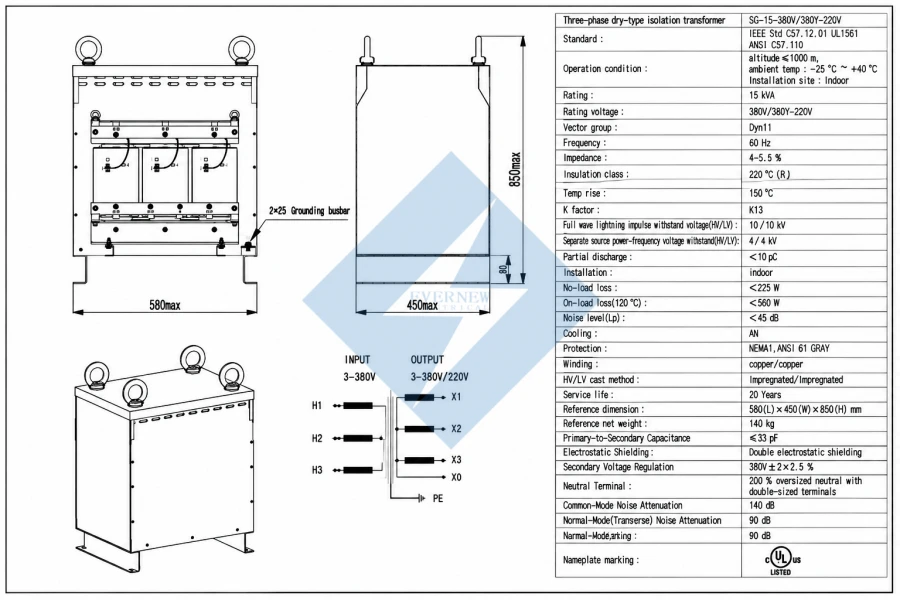
Isolation Transformer Engineering Design and Drawings
Customized isolation transformer projects can include engineering drawings showing the external dimensions, internal arrangement, electrical connections and main technical specifications.
Evernew's engineering team can prepare technical drawings for customer review and project approval according to the confirmed design requirements.
Dimensional drawings, connection diagrams and technical documentation can be provided according to the project scope.
What Tests Are Performed Before an Isolation Transformer Is Delivered?
Isolation transformer testing is carried out according to the applicable product standards, approved technical specifications and customer requirements.
Depending on the transformer design, testing can include:
Routine tests and additional type or special tests are arranged according to the applicable standards and project requirements.
Why Choose Evernew as Your Isolation Transformer Manufacturer?
Evernew Transformer provides customized transformer manufacturing solutions for industrial, commercial, utility and infrastructure projects.
In-House Manufacturing Capabilities
Our facilities include core processing, winding production, transformer assembly and testing, supporting quality control throughout the manufacturing process.
Engineering and Technical Support
Our engineering team reviews electrical specifications, evaluates application requirements and develops customized isolation transformer designs.
Flexible Product Configurations
We offer different voltage combinations, rated capacities, winding materials, shielding arrangements, cooling methods and enclosure configurations.
International Project Experience
We support international customers with transformer manufacturing, technical documentation, export packaging and shipment coordination.
Quality Control and Testing
Each transformer is inspected and tested according to its applicable technical specifications and manufacturing requirements before shipment.
絶縁トランスに関するよくある質問
A 1:1 isolation transformer has equal nominal primary and secondary voltages, such as 480V to 480V or 230V to 230V. Its primary purpose is electrical isolation rather than voltage conversion.
An appropriately designed isolation transformer can help reduce the transfer of certain common-mode electrical disturbances. Electrostatic shielding can further reduce capacitive coupling between primary and secondary windings.
Yes. Although a 1:1 isolation transformer maintains the same nominal voltage, other isolation transformer designs can have different primary and secondary voltages, such as 480V to 208Y/120V or 400V to 230V, subject to the required design.
Yes. Evernew offers copper and aluminum winding configurations. The selection depends on electrical performance, dimensions, weight, operating conditions and project budget.
Dual-frequency designs can be considered. The magnetic flux density, voltage ratings, temperature rise and insulation design must be evaluated for both operating frequencies.
UL and CSA requirements can be reviewed according to the intended market and specific product design. Certification availability and compliance documentation must be confirmed for the actual model and configuration.
Transformer capacity should be selected according to the connected load, operating voltage, power factor, starting current, duty cycle and potential future load expansion. Motor loads and nonlinear loads may require additional engineering evaluation.
To prepare an accurate quotation, please provide:
定格容量(kVA)
一次電圧および二次電圧
単相または三相
Operating frequency
Copper or aluminum winding preference
Electrostatic shielding requirements
Enclosure and IP protection requirements
適用される規格
Required quantity and delivery destination
Our engineering and sales teams will review your requirements and provide a suitable technical proposal.
An isolation transformer has electrically separate primary and secondary windings, providing galvanic isolation between the input and output circuits. An autotransformer uses a shared winding for both input and output, meaning there is no galvanic isolation.
Isolation transformers are commonly selected for applications requiring electrical separation, equipment protection and reduced transfer of certain electrical disturbances. Autotransformers are generally more compact and cost-effective for applications that only require voltage conversion without electrical isolation.
The appropriate transformer type depends on the electrical system, safety requirements, operating conditions and project specifications.
An isolation transformer primarily provides galvanic isolation between primary and secondary circuits. It does not automatically function as a voltage regulator or voltage stabilizer.
The secondary voltage depends on the input voltage, transformer turns ratio and operating load. If an application requires stable output voltage despite input voltage fluctuations, a separate automatic voltage regulator (AVR) or voltage stabilization system may be required.
Evernew can evaluate customized isolation transformer designs and voltage requirements for different industrial and commercial applications.
Related Isolation Transformer Resources
Explore our technical resources to learn more about isolation transformer designs, specifications and industrial applications:
Isolation Transformer: Types, Specifications, Applications & Custom Manufacturing Guide
Isolation Transformer for Industrial Factories: How to Select the Right Model
Visit our technical articles for additional information about transformer selection, electrical isolation and customized manufacturing solutions.
Request a Custom Isolation Transformer Quote
Looking for a reliable isolation transformer manufacturer for your industrial or commercial project?
Evernew Transformer provides customized single-phase and three-phase isolation transformers with different voltage configurations, winding materials, electrostatic shielding and enclosure options.
Whether you need a standard industrial isolation transformer or a customized design, our engineering team can review your requirements and assist with product selection.
Send us your technical specifications, drawings or project requirements to receive a customized isolation transformer proposal and quotation.
Contact Evernew Transformer to discuss your isolation transformer project.