
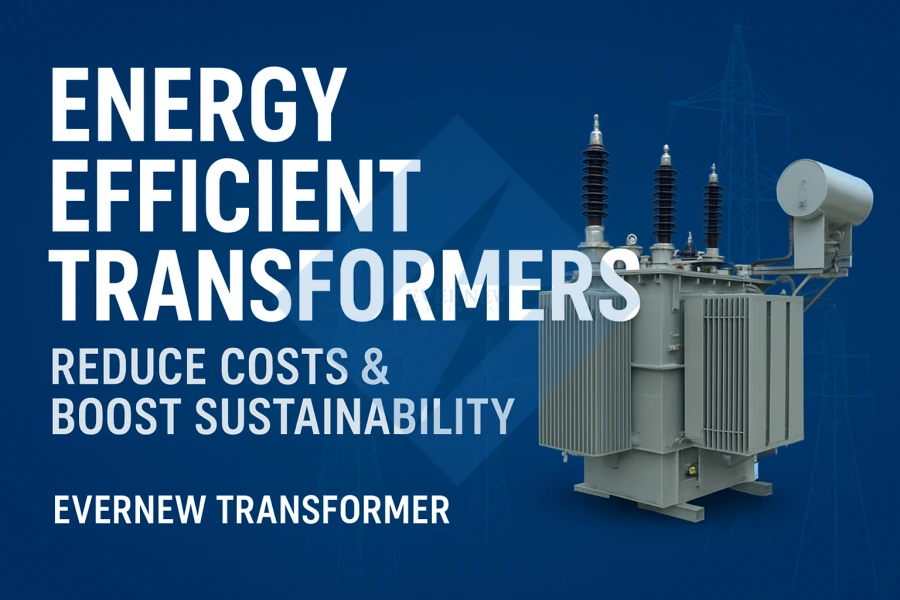
1. Inledning: Varför energieffektiva transformatorer är viktiga
Den globala efterfrågan på el fortsätter att växa snabbt, drivet av urbanisering, industriell utveckling, användning av förnybar energi samt utbyggnad av datacenter och laddningsinfrastruktur för elfordon. I moderna kraftsystem är transformatorer en kritisk komponent som effektivt överför el från produktion till distributionspunkter. Konventionella transformatorer lider dock ofta av energiförluster - även när de är inaktiva - vilket leder till onödig elförbrukning och högre driftskostnader.
Energieffektiva transformatorer, även kända som högeffektiva eller lågförlusttransformatorerär konstruerade för att minska dessa energiförluster, vilket ger både miljömässiga och ekonomiska fördelar. I USA och Europa, där elkostnaderna är höga och reglerna för energieffektivitet är stränga, blir dessa transformatorer alltmer standard i moderna kraftnät.
2. Förståelse av energieffektiva transformatorer
En Energieffektiv transformator är konstruerad för att minimera energiförlusterna jämfört med konventionella transformatorer. De två huvudsakliga typerna av förluster i transformatorer är:
Förlust utan belastning (kärnförlust): Förekommer i transformatorns magnetiska kärna när den är strömförande men inte matar någon last. Det beror främst på kärnans material och utformning.
Belastningsförlust (kopparförlust): Uppstår i lindningarna på grund av elektriskt motstånd när ström flyter, påverkas av ledarkvalitet och lindningsgeometri.
Energieffektiva transformatorer uppnår minskade förluster genom avancerade kärnmaterial, t.ex. amorf metall, hög kvalitet kiselståloch optimerad lindningsdesign. De innehåller också förbättrade isoleringssystem och kyltekniker, vilket resulterar i ökad driftseffektivitet och minskad energiförbrukning.
3. Transformatorns förluster: Centrala begrepp
Att förstå transformatorförluster är avgörande för att förstå varför energieffektiva modeller är viktiga:
Förluster utan belastning kan stå för upp till 70% av en transformators totala förluster under lätta belastningsförhållanden. Att minska förlusterna utan belastning är särskilt viktigt för distributionstransformatorer i stads- och bostadsnät där belastningen fluktuerar kraftigt.
Lastförluster beror på strömflöde och lindningsmotstånd. Optimering av ledarstorlek, lindningslayout och kylsystem bidrar till att minska belastningsförlusterna.
Exempel:
| Typ av transformator | Förlust utan belastning | Belastningsförlust | Effektivitet |
|---|---|---|---|
| Konventionell CRGO | 550 W | 1200 W | 97.20% |
| Amorf kärna | 150 W | 1150 W | 98.60% |
Transformatorer med amorf kärna minskar dramatiskt förlusterna utan belastning, vilket gör dem mycket lämpliga för regioner med stränga energiregler.
4. Olika typer av energieffektiva transformatorer
4.1 Transformatorer med amorf kärna
Kärna tillverkad av amorfa metallband
Betydligt lägre förluster utan belastning (upp till 70% reduktion)
Idealisk för distributionsnät med frekventa lågbelastningsförhållanden
Längre livslängd och lägre driftskostnader
4.2 Högeffektiva oljesänktransformatorer
Använder koppar med hög ledningsförmåga och kiselstålkärnor med låg förlust
Optimerad spolgeometri för minskad belastningsförlust
Lämplig för industrianläggningar, allmännyttiga företag och stora kommersiella byggnader
4.3 Högeffektiva torra transformatorer
Miljösäker och brandbeständig
Idealisk för inomhusinstallationer som sjukhus, datacenter och kontorsbyggnader
Kräver lågt underhåll och ger minimalt med buller
4.4 Smarta eller digitala transformatorer
Integrerade IoT-sensorer för realtidsövervakning av belastning, temperatur och spänning
Förutseende underhåll och feldetektering
Möjliggör fjärrstyrning och tillgångshantering
Hjälper energibolag att minska stilleståndstiden och optimera energieffektiviteten
5. Globala effektivitetsstandarder
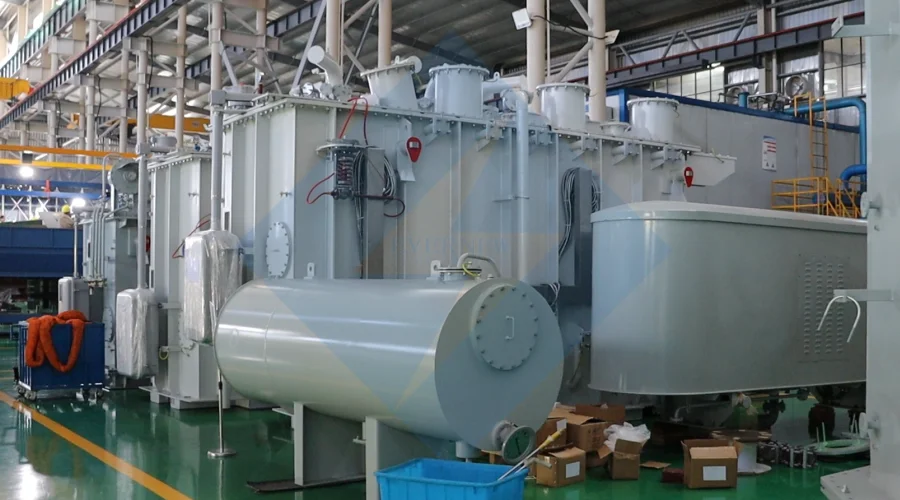
Överensstämmelse med internationella standarder säkerställer att transformatorerna uppfyller kraven på energieffektivitet och miljöbestämmelser.
5.1 USA - DOE-standarder
DOE:s föreskrifter från 2016 definierar miniminivåer för energieffektivitet för distributionstransformatorer
Högeffektiva transformatorer minskar både tomgångs- och belastningsförlusterna
NEMA TP1-testprotokoll säkerställer konsekvent utvärdering av effektiviteten
5.2 Europeiska unionen - Ekodesign nivå 2
Tier 2-standarderna är de strängaste och gäller sedan 2023
Krav på effektivitet, buller och miljöhänsyn
Ökar användningen av transformatorer med låg förlust inom kommersiella och industriella sektorer
5.3 Internationella standarder
IEC 60076-serien för krafttransformatorer
ISO 50001 energihantering för tillverkning och drift
Överensstämmelse signalerar tillförlitlighet och kvalitet för europeiska och amerikanska köpare
Läs mer:Elektriska transformatorer: 2025 Komplett teknisk och ekonomisk guide
6. Ekonomiska fördelar med energieffektiva transformatorer
Även om den initiala kostnaden för en energieffektiv transformator kan vara högre än för konventionella modeller, är Total ägandekostnad (TCO) är betydligt lägre på grund av minskad elförbrukning och underhåll.
| Funktion | Konventionell transformator | Energieffektiv transformator | Besparingar |
|---|---|---|---|
| Förlust utan belastning | 550 W | 150 W | 400 W reducering |
| Årliga driftstimmar | 8760 h | 8760 h | – |
| Årlig energibesparing | – | 3066 kWh | – |
| Årliga kostnadsbesparingar | – | $400-$500 | – |
Under en livslängd på 15-25 år uppväger de kumulativa energibesparingarna ofta den initiala investeringen flera gånger om.
7. Tillämpningar av energieffektiva transformatorer
Energieffektiva transformatorer används i stor utsträckning inom följande sektorer:
Kraftproduktionsanläggningar - minimerar överföringsförluster
Distributionsnätverk - särskilt i stadsområden eller områden med hög efterfrågan
Datacenter - garanterar hög tillförlitlighet med minimalt energislöseri
Laddningsstationer för elbilar - minskar energiförlusten vid toppbelastningar
Sjukhus och kommersiella byggnader - säkerhet, effektivitet och tyst drift
Gårdar för förnybar energi - upp- och nedtransformatorer för sol- och vindkraftparker
8. Viktiga designfunktioner för hög effektivitet
Kiselstål eller amorfa kärnor med hög permeabilitet
Geometri för flerskiktslindning för minskad kopparförlust
Optimerad design av magnetiskt flöde
Isoleringsmaterial med låg förlust
Effektiva system för kylning och värmeavledning
Funktioner för brusreducering
9. Miljömässiga och miljövänliga fördelar
Minskade CO₂-utsläpp tack vare lägre energiförbrukning
Längre livslängd för transformatorn minskar antalet byten
Biologiskt nedbrytbara eller miljösäkra isoleringsoljor
Högre återvinningsbarhet för kärn- och ledarmaterial
10. Smart övervakning för optimerad prestanda
Smarta transformatorer omfattar digital övervakning och IoT-teknik:
Last- och värmeövervakning i realtid
Varningar för förebyggande underhåll
Fjärrstyrning och analys
Integration med smarta elnät för effektivitetsoptimering
Läs mer:Kinesiska tillverkare spelar en nyckelroll i globala uppgraderingar av elnät
11. Fallstudier
Fall 1: Datacenter i USA
Ersatte konventionella transformatorer med högeffektiva oljedämpade modeller
Minskad årlig elförbrukning med 25.000 kWh
Årliga kostnadsbesparingar: $25.000
Fall 2: Europeisk laddningsstation för elbilar
Installerade transformatorer med amorf kärna
Förluster utan belastning minskade med 67%
ROI uppnås inom 3-4 år
Fall 3: Modernisering av industripark
Ersatte konventionella transformatorer med energieffektiva transformatorer av torr typ
Total kostnadsminskning under tre år: 15-20%
12. Vanliga missuppfattningar
"För dyrt i förskott" - besparingar under livscykeln uppväger initialkostnaderna
"Effektivitet spelar ingen roll vid låga belastningar" - nollastförluster dominerar vid låg belastning, så effektiviteten är avgörande
"Transformatorer av torr typ är mindre effektiva" - moderna torra transformatorer uppfyller DOE:s och EU:s effektivitetsstandarder
"Amorf kärna endast för små transformatorer" - stora amorfa transformatorer är genomförbara och används i allt större utsträckning
13. Hur man väljer rätt energieffektiv transformator
Fastställa spänningsnivå och kapacitetsbehov
Bedömning av typisk lastprofil
Beakta miljöfaktorer (temperatur, luftfuktighet, installationsplats)
Utvärdera bullerkrav
Kontrollera överensstämmelse med DOE/Ecodesign-standarder
Välj en välrenommerad tillverkare med beprövad erfarenhet (t.ex. Evernew Transformer)
14. Varför välja Evernew Transformer
Ledande tillverkare av energieffektiva transformatorer i Kina
Produktsortiment: 110kV / 220kV / 500kV, torr typ, oljeindränktoch en amorf kärna
Fabriken sträcker sig över 500 hektar, 1200 anställda, varav 300 ingenjörer
Erfarenhet av export till USA, Kanada, Europa och Sydostasien
OEM- och ODM-lösningar tillgängliga
Snabb leverans och global support efter försäljning
15. Slutsats
Energieffektiva transformatorer är avgörande för att uppnå moderna och hållbara kraftsystem. De erbjuder:
Minskade driftskostnader
Lägre koldioxidutsläpp
Överensstämmelse med USA:s och EU:s effektivitetsregler
Längre livslängd för utrustningen
Att investera i högeffektiva transformatorer är inte bara ett smart ekonomiskt beslut utan också ett strategiskt steg mot hållbarhet.
Kontakta Evernew Transformer idag för högeffektiva transformatorlösningar som minskar driftskostnaderna och stöder hållbara kraftsystem.
