

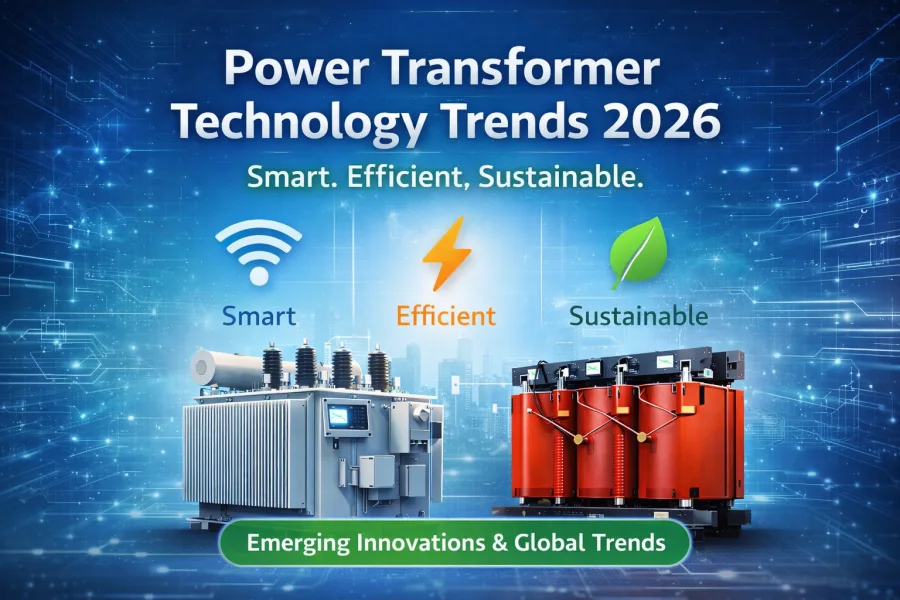
The global power infrastructure is undergoing unprecedented transformation. By 2026, transformadores de potencia are no longer mere voltage conversion devices—they are critical components of smart grids, renewable energy integration, industrial electrification, and energy efficiency optimization.
Driven by global decarbonization policies, digitalization of energy systems, stricter efficiency regulations, and urbanization, transformer manufacturers must innovate continuously to meet evolving technical standards, safety regulations, and customer expectations.
This comprehensive article explores the key power transformer technology trends in 2026, including design innovations, smart monitoring, efficiency improvements, sustainability considerations, and global market opportunities. It also highlights how manufacturers like Transformador Evernew are leading in quality, compliance, and project execution.
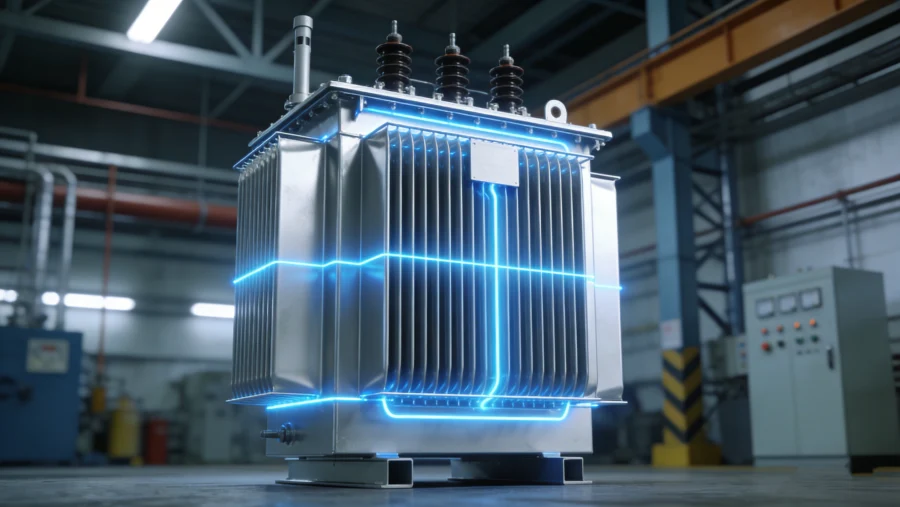
1. Ultra-High Efficiency Transformers: The New Baseline
Energy efficiency has become a top priority worldwide. Utility companies and industrial customers are increasingly focused on reducing energy losses and operational costs.
Key Efficiency Drivers in 2026:
-
No-load loss reduction through advanced core design
-
Load loss optimization using precision copper winding arrangements
-
Adoption of amorphous steel and nano-crystalline cores to minimize hysteresis losses
-
Optimized flux density design for minimal eddy currents
Aplicaciones: High-efficiency transformers are essential in industrial plants, data centers, and commercial complexes, where energy savings over a transformer’s lifecycle can significantly exceed the initial purchase cost.
2. Smart Transformers and Digital Monitoring
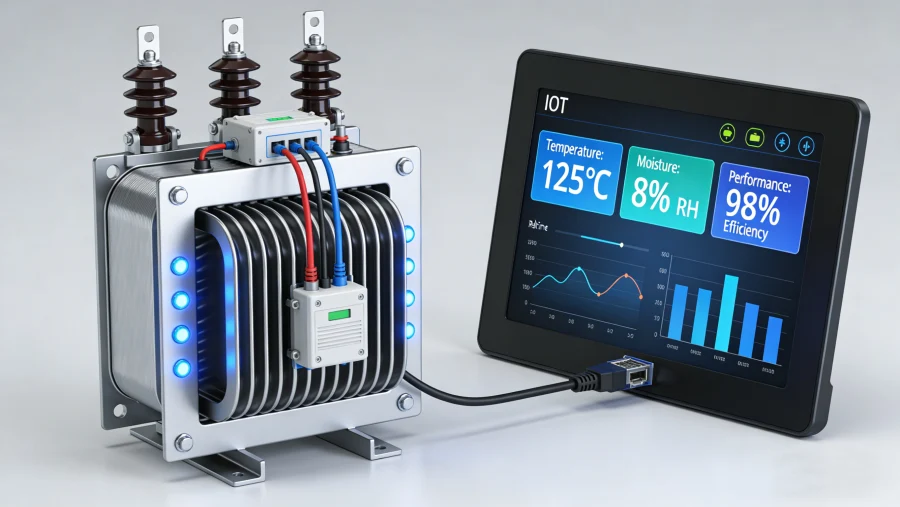
In 2026, “smart transformers” are rapidly replacing conventional units. Digital integration allows real-time monitoring, predictive maintenance, and operational optimization.
Smart Features Include:
-
Online temperature sensors
-
Moisture detection in windings or insulation
-
Partial discharge monitoring
-
IoT-enabled SCADA integration
-
Remote diagnostics and predictive analytics
Beneficios:
-
Minimizes unplanned downtime
-
Reduces maintenance costs
-
Enhances safety and reliability
-
Supports renewable energy grids with fluctuating loads
3. Renewable Energy Integration and Specialized Designs
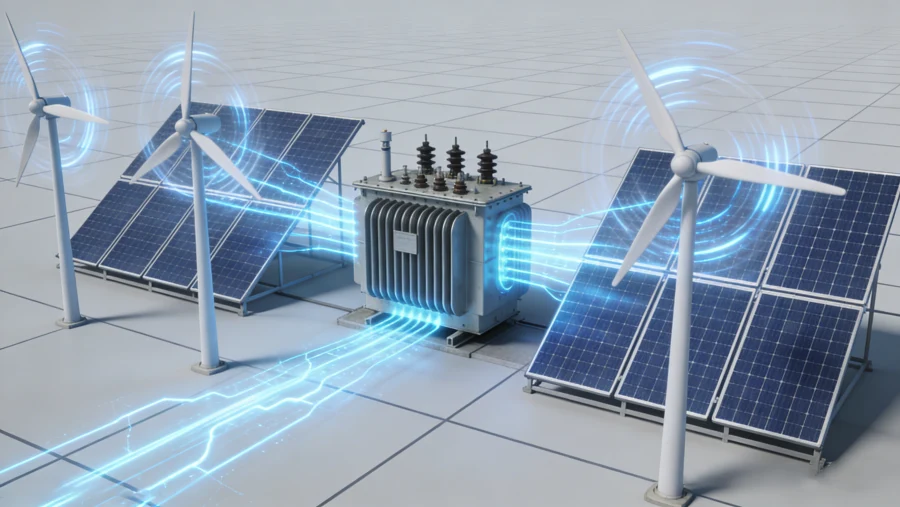
The global expansion of solar, wind, and battery storage creates new technical challenges for transformers:
-
Fluctuating voltage levels and reverse power flow
-
High harmonic distortion
-
Variable load profiles
-
Increased short-circuit stresses
Transformer adaptations for renewables:
-
Enhanced short-circuit withstand capability
-
Custom impedance values for grid stability
-
Harmonic mitigation features
-
Improved thermal performance
Aplicaciones:
-
Wind turbine step-up transformers
-
Battery energy storage system transformers
4. Larger Capacity and Higher Voltage Demand
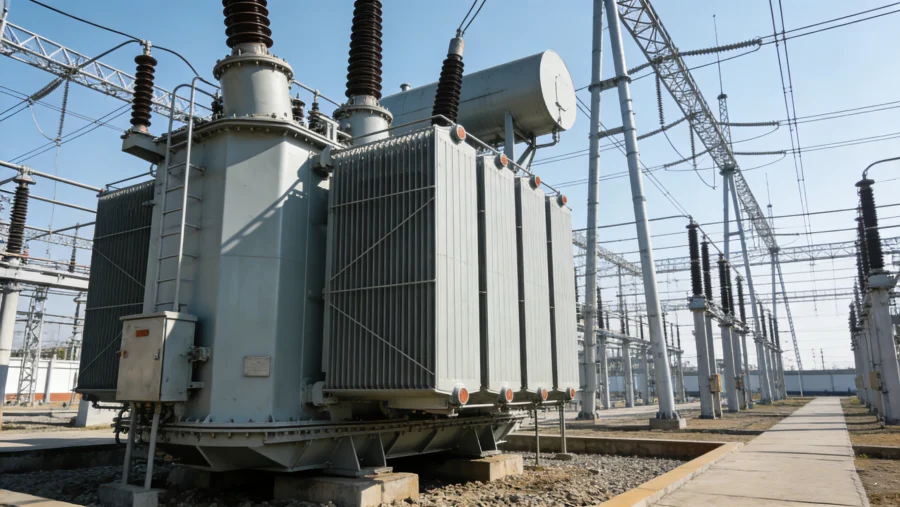
Industrialization, urbanization, and expanding grids are driving demand for:
-
110 kV, 220 kV, and 500 kV ultra-high voltage transformers
-
Distribution transformers in the 2–10 MVA range
Countries in Asia, Africa, the Middle East, and Latin America are investing heavily in modernizing their power networks, creating opportunities for high-capacity transformer manufacturers with strong engineering capabilities.
Read More:Your Trusted Distribution Transformer Manufacturer in China-Evernew Transformer
5. Dry-Type and Cast Resin Transformers for Urban Safety
Urban infrastructure and indoor installations increasingly prefer dry-type or cast resin transformers due to:
-
Fire safety (no flammable oil)
-
Environmental safety (no leakage risk)
-
Minimal maintenance
-
Reduced footprint
Improvements in 2026:
-
Higher insulation class materials (220–250°C)
-
Lower operational noise
-
Superior mechanical strength
-
Increased overload tolerance
Aplicaciones:
-
Hospitals, schools, and commercial buildings
-
Airports and metro systems
-
Data centers and government facilities
6. Environmental Sustainability and ESG Compliance
Sustainability is now a decisive factor in procurement. Energy companies and industrial clients evaluate carbon footprint, material recyclability, and eco-friendly design.
Green transformer innovations:
-
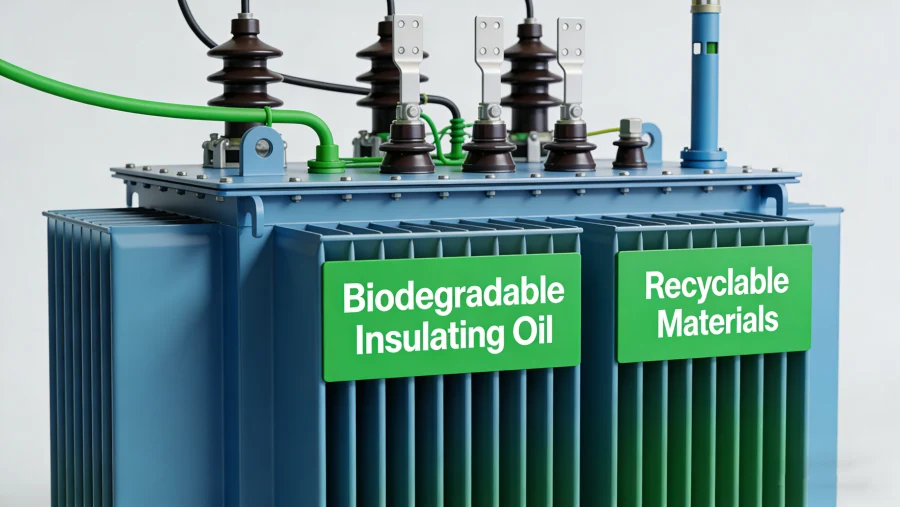
Biodegradable insulating oils (natural ester fluids)
-
Noise-reduction designs
-
Reduced lifecycle energy losses
-
Extended service life
ESG-compliant transformers also help utilities and corporations meet global environmental reporting standards and regulatory mandates.
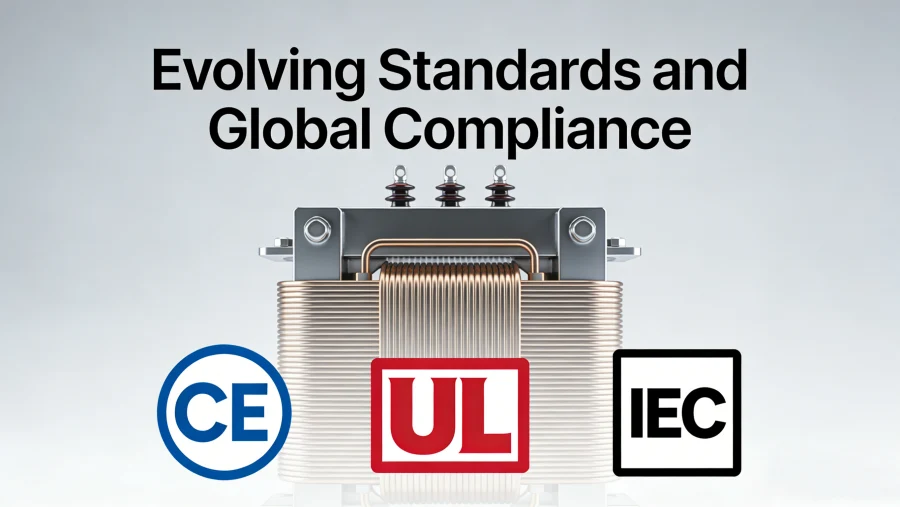
7. Evolving Standards and Global Compliance
Global standards are continuously updated, and manufacturers must stay current to remain competitive.
2026 Key Standards Updates:
-
IEC 60076: Power transformer revisions
-
Short-circuit withstand and temperature rise verification updates
-
Efficiency classification improvements
-
Type, routine, and material testing requirements
Certification Requirements:
-
CE, UL, CSA, ISO, and other relevant international certifications
-
Compliance documentation for international tenders
-
Independent type testing reports for high-voltage transformers
8. Supply Chain Resilience and Manufacturing Localization
Recent supply chain disruptions have highlighted the importance of reliable production and logistics.
2026 Manufacturing Focus:
-
Strong engineering teams for custom designs
-
Integrated raw material procurement (copper, steel)
-
Reduced lead times for international shipping
-
Advanced factory automation for high precision
Manufacturers who can deliver on time, on specification, and with certified quality are gaining a significant market advantage.
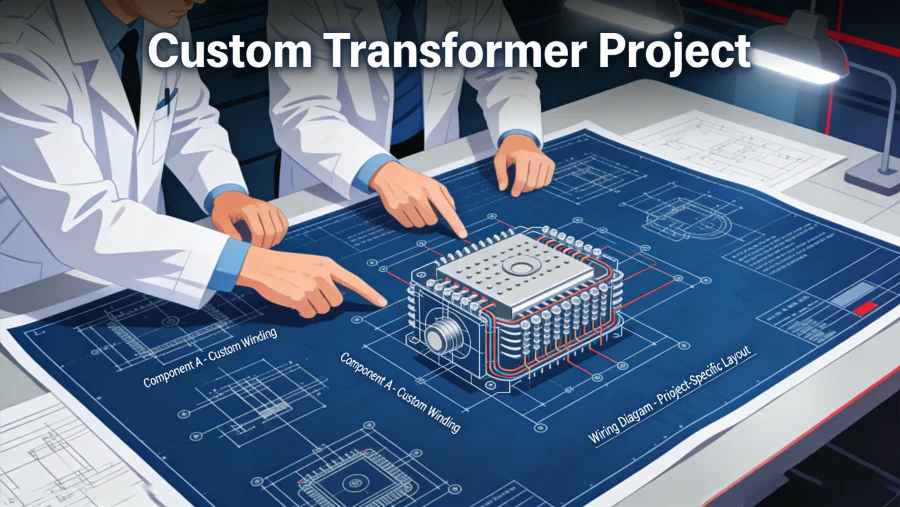
9. Customization and Project-Specific Solutions
Project demands in 2026 increasingly require bespoke transformer solutions rather than standard catalog items:
-
Custom tap settings and vector groups
-
Specific impedance requirements
-
Enclosure ratings (IP/NEMA) for environmental conditions
-
Accessories and auxiliary equipment tailored to project needs
Flexibility in design and production allows manufacturers to serve critical infrastructure, industrial, and renewable projects worldwide.
Read More:Do German Companies Buy Power Transformers from China?
10. Lifecycle Cost and Total Value
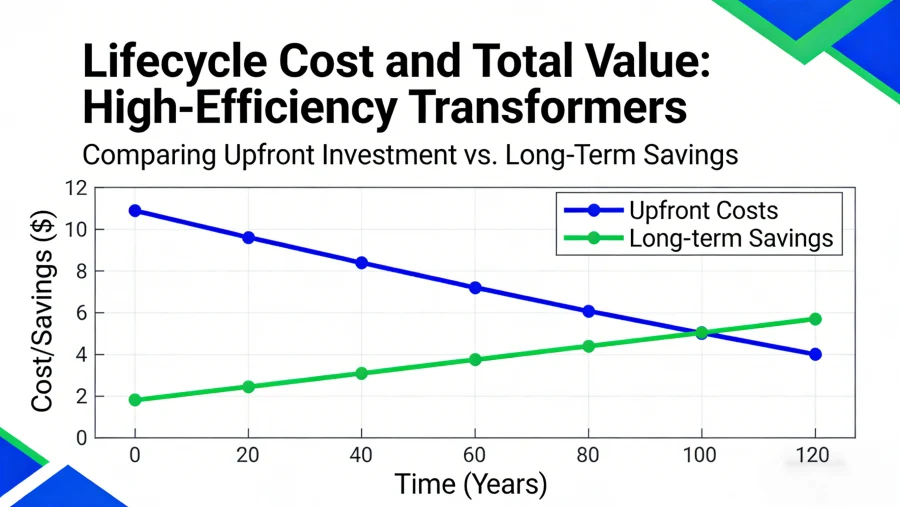
While upfront price remains a factor, buyers are increasingly considering Coste total de propiedad (TCO):
-
Operational energy savings from high-efficiency designs
-
Maintenance cost reduction via smart monitoring
-
Extended service life
-
Reduced downtime risk
In 2026, transformers are evaluated not only for technical specifications but also for financial efficiency over decades of operation.
11. Evernew Transformer: Leading in 2026
Transformador Evernew, a professional Chinese manufacturer, offers:
-
Transformadores de distribución up to 10 MVA
-
Oil-immersed, dry-type, and cast resin transformers
-
Renewable energy and high-voltage solutions up to 500 kV
-
Compliance with CE, UL, CSA, ISO, and IEC standards
Principales ventajas:
-
Advanced workshops with automated production lines
-
300+ engineering and technical personnel
-
Experience in global export markets (US, Canada, EU, Latin America)
-
Custom design and rapid prototyping for urgent projects
-
Technical support with type test and routine test documentation
Evernew Transformer ensures reliable, energy-efficient, and customized power solutions for industrial, commercial, and utility clients worldwide.
12. Frequently Asked Questions (FAQ)
Q1: What is the difference between dry-type and oil-immersed transformers?
A1: Dry-type transformers are safer for indoor use and require less maintenance. Oil-immersed transformers are suitable for high-capacity and outdoor applications due to better cooling performance.
Q2: How can I ensure my transformer is compliant with international standards?
A2: Verify type test reports, material certifications, and ensure the manufacturer follows IEC, UL, CSA, or CE standards.
Q3: What is a smart transformer and why is it important?
A3: A smart transformer integrates digital monitoring, IoT connectivity, and predictive maintenance, helping reduce downtime and operational costs.
Q4: How long does it take to manufacture a custom transformer?
A4: Typical lead times are 6–12 weeks depending on capacity, customization, and certification requirements.
13. Conclusión
2026 is a transformative year for the power transformer industry. Efficiency, digitalization, sustainability, and customization are no longer optional—they are essential.
Utilities, industrial customers, and project developers must select suppliers who can combine engineering expertise, compliance, innovation, and reliable delivery.
Transformador Evernew is positioned to meet these global demands, offering cutting-edge technology, green solutions, and full compliance documentation for projects worldwide.
