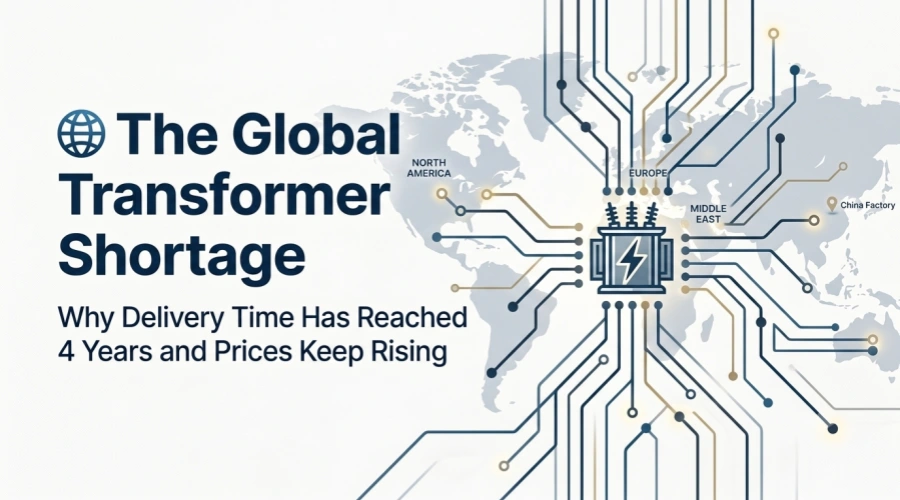
The global electrical infrastructure sector is grappling with an unprecedented supply chain crisis: a severe, structural global transformer shortage. What was historically a straightforward electrical equipment procurement cycle has transformed into a high-stakes bottleneck.
Across North America, Europe, the Middle East, and Latin America, delivery timelines for power transformers and liquid-filled distribution transformers have expanded drastically. Lead times that averaged 6 to 12 months before 2020 have skyrocketed, frequently stretching between 24 to 48 months (128 to 160 weeks) for larger units.
For EPC contractors, industrial plant developers, renewable energy engineers, and utility companies, this supply delay represents a critical risk to commercial operation dates (COD). Below, we analyze the multi-layered drivers behind the transformer market capacity constraints and provide actionable sourcing solutions.
1. Root Causes: What is Driving the Global Power Transformer Shortage?
The current market imbalance is not a temporary disruption; it is driven by a convergence of structural macro-trends reshaping global energy demand.
Accelerating Global Grid Electrification
Global power consumption is rising at its fastest rate in decades. This load growth is propelled by:
- Electric Vehicle (EV) Infrastructure: The roll-out of high-power DC fast-charging networks requires immediate upgrades to local step-down distribution transformers.
- Industrial Electrification: Manufacturing facilities worldwide are transitioning from fossil-fuel thermal systems to fully electric processes, heavily increasing localized heavy industrial power loads.
Replacement of Aging Utility Substation Infrastructure
A significant portion of the electrical grid infrastructure in the United States and Western Europe was installed 30 to 50 years ago. These assets have reached or exceeded their design life, leading to a wave of mandatory retrofits. Grid operators are competing directly with private developers to secure production slots for substation transformers and medium-voltage switchgear.
The Renewable Energy Integration Boom
The rapid deployment of utility-scale utility projects demands dedicated voltage regulation infrastructure. Wind farms and solar photovoltaic (PV) plants require specialized:
- Generator Step-Up (GSU) transformers to elevate generated voltages for long-distance transmission.
- Pad-mounted step-up transformers directly integrated at the inverter or turbine level.
- Energy storage system (ESS) step-up units for battery storage integration.
2. The AI Data Center Surge: A New Critical Bottleneck
While grid updates and green energy created steady demand, the sudden acceleration of Artificial Intelligence (AI) and High-Performance Computing (HPC) completely rewired the electrical equipment supply chain.
Modern hyperscale data centers are uniquely power-intensive. A single AI data center campus can consume several hundred megawatts—equivalent to the consumption of a mid-sized city. Securing this power requires dozens of high-capacity substation power transformers and highly redundant dry-type or liquid-filled transformadores de distribución for interior power distribution units (PDUs).
Because tech giants and hyperscale developers possess massive capital, they are pre-booking multi-year production capacity directly from primary original equipment manufacturers (OEMs). This leaves mid-market EPC firms, independent power producers (IPPs), and municipal utilities struggling to lock in manufacturing slots.
3. Material Supply Chain Bottlenecks & Production Restraints
Increasing manufacturing output for high-voltage electrical equipment is a slow, capital-intensive process. Power transformer production cannot be easily automated, relying heavily on specialized raw materials and skilled labor.
The Grain-Oriented Electrical Steel (GOES) Shortage
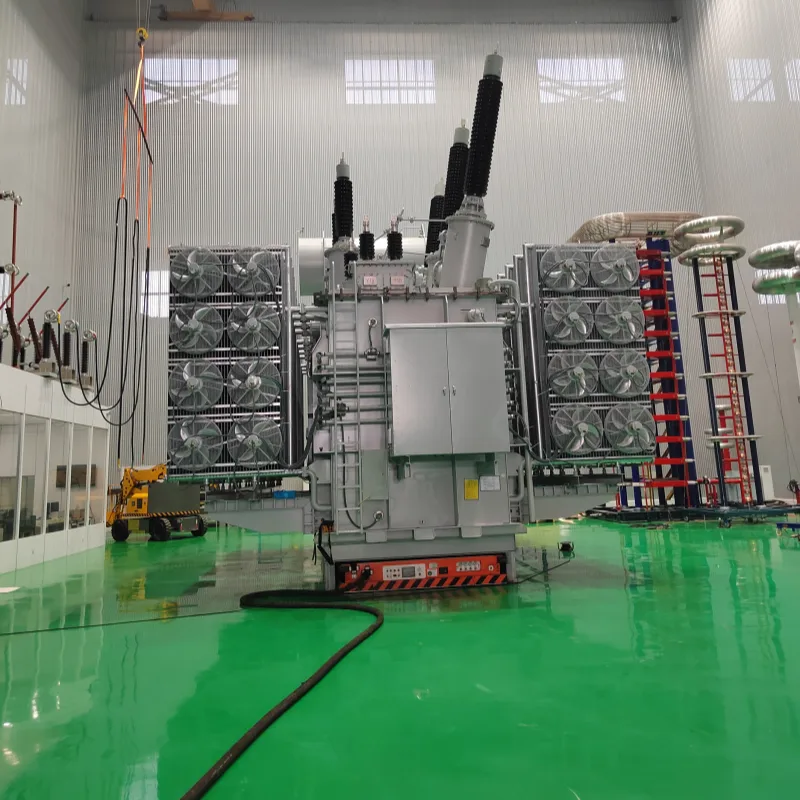
The primary structural bottleneck resides at the material level. Transformer magnetic cores require Grain-Oriented Electrical Steel (GOES), a highly engineered steel alloy that provides the necessary magnetic properties for high-efficiency energy transformation. Global capacity for high-grade core steel is severely constrained, and alternative non-oriented steels cannot meet strict efficiency standards like the EU Ecodesign Directive or US DOE efficiency regulations.
Material and Regulatory Pressures
- Winding Material Volatility: Sustained high prices for high-purity electrical copper directly inflate raw material costs for copper winding assemblies.
- Stricter Efficiency Regulations: Modern standards (such as IEC 60076 Tier 2 and IEEE C57 / ANSI standards) mandate lower core losses and load losses, requiring more complex engineering, larger core sizes, and more extensive material volume per kVA.
- Testing Capacities: Every high-voltage unit must undergo rigorous type testing (including impulse voltage withstand and short-circuit testing). Factory testing bays have become physical bottlenecks, capping weekly production throughput.
4. Market Trends: Rising Equipment Costs and Price Evolution
Due to raw material inflation, factory overtime overheads, and international freight realities, transformer market prices have risen by 50% to 80% compared to pre-2020 levels.
| Equipment Type | Rango de capacidad | Average Lead Time Range | Price Trend Insight |
|---|---|---|---|
| Liquid-Filled Distribution Transformers | 25 kVA – 2,500 kVA | 12 – 20 Months | Driven by local commercial buildouts & EV grids |
| Pad-Mounted / Pole-Mounted Units | 45 kVA – 5,000 kVA | 10 – 16 Months | High demand from solar developers & utilities |
| Medium Power Transformers | 5 MVA – 40 MVA | 24 – 36 Months | Structural bottlenecks in core steel procurement |
| Large Power & GSU Transformers | ≥ 100 MVA, ≥ 230 kV | 36 – 48+ Months | Subject to strict long-term contract prioritization |
5. Sourcing Optimization: How Procurement Managers Can Mitigate Delivery Risks
To prevent long equipment lead times from stalling vital projects, energy sector procurement managers must shift from traditional “just-in-time” purchasing to aggressive, proactive procurement planning.
- Early Engineering & Front-End Procurement: Do not wait for final project permitting or financial approval to engage suppliers. Finalize technical specifications early and initiate procurement conversations 12 to 24 months before ground-breaking.
- Standardize Technical Specifications: Avoid over-customization. Utilizing standard utility designs, standard voltage ratios (e.g., 11kV, 22kV, 33kV down to 0.4kV), and standard vector groups (like Dyn5 or Dyn11) allows factories to utilize pre-engineered designs, speeding up material sourcing and manufacturing.
- Diversify the Global Supply Base: Look beyond overburdened domestic tier-1 conglomerates. Partner with established, highly capable global manufacturers that possess dedicated export capacity and agile manufacturing setups.
- Pre-Book Production Slots: Forward-thinking buyers are increasingly utilizing Capacity Reservation Agreements (CRAs). Securing a factory production line slot ahead of time guarantees a delivery window even while final electrical drawing parameters are being tuned.
Factory Direct Sourcing: Reliable Transformer Solutions from China
As a premier, specialized power transformer manufacturer based in Jiangsu, China, we specialize in delivering high-reliability power equipment engineered to navigate today’s challenging supply environment.
Our Core Product Portfolio:
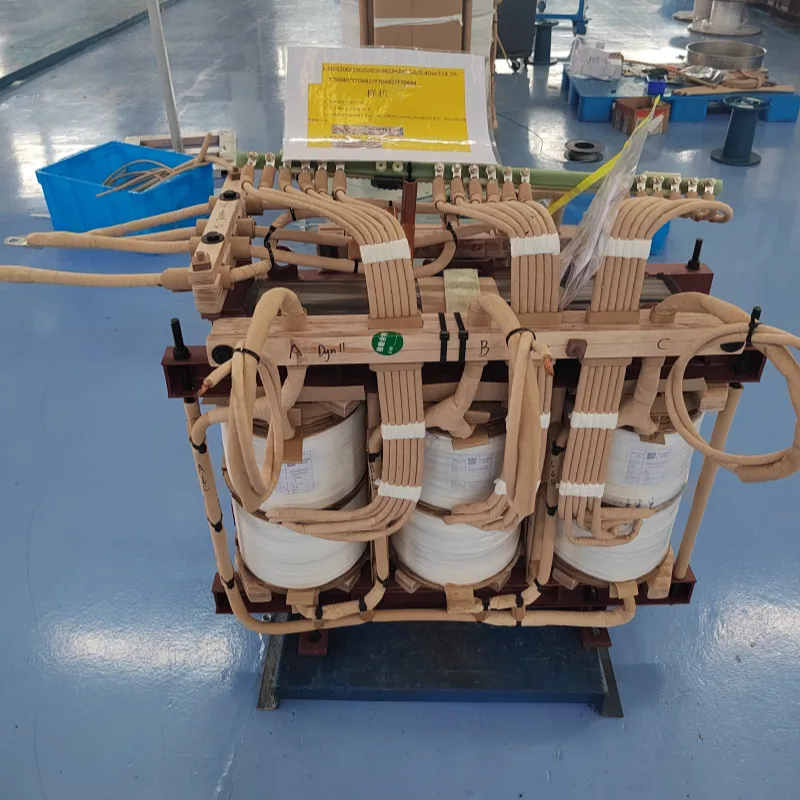
- Distribution Transformers: Liquid-filled and energy-efficient tipo seco units ranging from 50 kVA up to 2500 kVA+ for commercial, residential, and industrial sub-stations.
- Medium & Large Power Transformers: High-performance core-type oil-immersed transformers built up to 500kV for utility substations and heavy industrial plants.
- Renewable Energy Substation Equipment: Specialized step-up transformers, pad-mounted units, and inverter-integrated solutions optimized for solar, wind, and ESS installations.
Why Global EPCs Partner With Us:
- 100% High-Purity Copper Windings: We utilize premium copper materials to guarantee exceptional thermal stability, high short-circuit tolerance, and superior long-term efficiency.
- Strict International Compliance: All equipment is fully engineered, manufactured, and rigorously tested in compliance with global standards, including IEC 60076, CE certification, and IEEE/ANSI criteria.
- Agile Lead Time Optimization: Backed by structured supply chains for high-grade electrical steel and mineral insulating oil, we provide highly competitive, reliable production schedules to keep your critical path on schedule.
- Full Engineering Customization: We offer comprehensive OEM, ODM, and project-specific technical support, providing detailed design drawings, schematic configurations, and digital visualizations for approval.
Contact Our Engineering Sourcing Team
Are you managing a power infrastructure, renewable energy, or industrial data center development facing long lead times or high pricing barriers? Avoid costly project delays by securing your equipment assets today.
Contact our international technical sales division for a customized engineering consultation, comprehensive technical data sheets, and competitive factory-direct pricing quotes.
Preguntas más frecuentes (FAQ)
Q1: What is the average lead time for a 2000 kVA distribution transformer?
Currently, standard liquid-filled distribution transformers in the 2000 kVA to 2500 kVA range average between 12 to 18 months from major Western suppliers. However, direct-factory sourcing from top-tier Chinese manufacturers can reduce this window to highly manageable timeframes through optimized production scheduling.
Q2: Why has the price of power transformers risen so rapidly?
The primary price drivers are cost escalations in essential raw materials, specifically Grain-Oriented Electrical Steel (GOES) and electrical copper used in windings. Additionally, factory capacity shortages have driven manufacturing labor costs up, while global logistics and freight costs remain variable.
Q3: Can a transformer designed for 50Hz run safely on a 60Hz grid?
A transformer engineered exclusively for a 50Hz grid can technically operate on a 60Hz system at the same voltage because the magnetic core flux density decreases, reducing core losses. However, the internal impedance changes, affecting voltage regulation. Conversely, running a 60Hz transformer on a 50Hz grid causes oversaturation of the core and catastrophic overheating unless the primary voltage is significantly derated. It is always highly recommended to manufacture the core specifically for the destination country’s operational grid frequency.
