


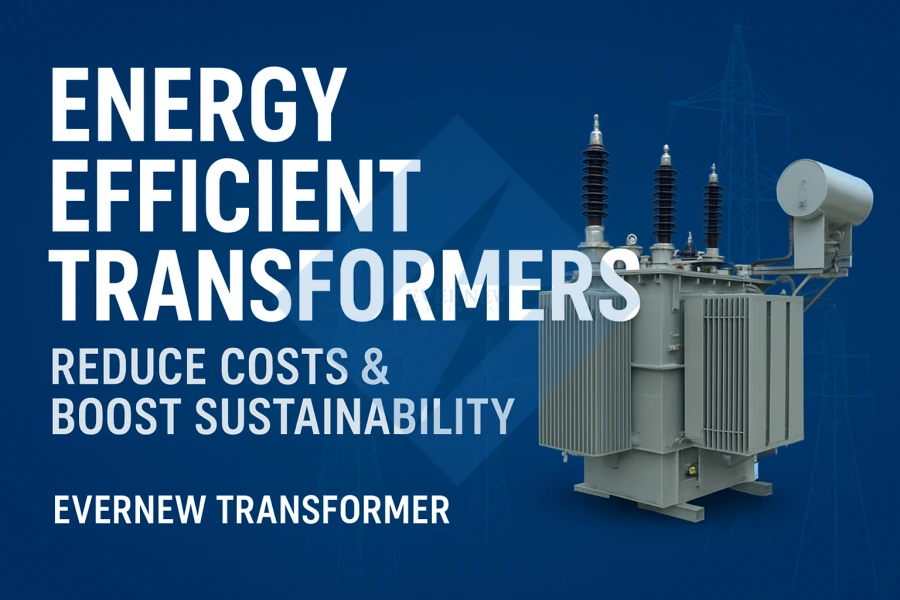
1. Einleitung: Warum energieeffiziente Transformatoren wichtig sind
Die weltweite Nachfrage nach Elektrizität steigt weiterhin rapide an, angetrieben durch Urbanisierung, industrielle Entwicklung, den Einsatz erneuerbarer Energien und den Ausbau von Rechenzentren und Ladeinfrastrukturen für Elektrofahrzeuge (EV). In modernen Stromversorgungssystemen sind Transformatoren eine wichtige Komponente, die den Strom effizient von der Erzeugung zu den Verteilungspunkten überträgt. Herkömmliche Transformatoren leiden jedoch häufig unter Energieverlusten - selbst im Leerlauf - was zu unnötigem Stromverbrauch und höheren Betriebskosten führt.
Energieeffiziente Transformatoren, auch bekannt als hocheffiziente oder verlustarme Transformatorensind darauf ausgelegt, diese Energieverluste zu verringern, was sowohl ökologische als auch wirtschaftliche Vorteile mit sich bringt. In den Vereinigten Staaten und Europa, wo die Stromkosten hoch und die Vorschriften zur Energieeffizienz streng sind, werden diese Transformatoren zunehmend zum Standard in modernen Stromnetzen.
2. Verständnis für energieeffiziente Transformatoren
Eine energieeffizienter Transformator ist darauf ausgelegt, die Energieverluste im Vergleich zu herkömmlichen Transformatoren zu minimieren. Die beiden wichtigsten Arten von Verlusten in Transformatoren sind:
-
Leerlaufverlust (Kernverlust): Tritt im Magnetkern des Transformators auf, wenn er unter Spannung steht, aber keine Last liefert. Sie hängt hauptsächlich vom Kernmaterial und der Konstruktion ab.
-
Lastverlust (Kupferverlust): Entsteht in den Wicklungen aufgrund des elektrischen Widerstands bei Stromfluss, beeinflusst von der Leiterqualität und der Wicklungsgeometrie.
Energieeffiziente Transformatoren erzielen geringere Verluste durch moderne Kernmaterialien wie amorphes Metallhochwertig Siliziumstahlund optimierte Wicklungskonstruktionen. Sie umfassen auch verbesserte Isolationssysteme und Kühltechnologien, was zu einer höheren Betriebseffizienz und einem geringeren Energieverbrauch führt.
3. Transformator-Verluste: Zentrale Konzepte
Um zu verstehen, warum energieeffiziente Modelle so wichtig sind, muss man die Transformatorverluste kennen:
-
Leerlaufverluste können bis zu 70% der Gesamtverluste eines Transformators unter Leichtlastbedingungen ausmachen. Die Verringerung der Leerlaufverluste ist besonders wichtig für Verteilungstransformatoren in städtischen und privaten Netzen, in denen die Last stark schwankt.
-
Lastverluste hängen vom Stromfluss und dem Wicklungswiderstand ab. Die Optimierung der Leitergröße, des Wicklungslayouts und der Kühlsysteme trägt zur Senkung der Lastverluste bei.
Beispiel:
| Transformator Typ | Leerlaufverlust | Lastverlust | Wirkungsgrad |
|---|---|---|---|
| Konventionelles CRGO | 550 W | 1200 W | 97.20% |
| Amorpher Kern | 150 W | 1150 W | 98.60% |
Transformatoren mit amorphem Kern reduzieren die Leerlaufverluste drastisch, was sie für Regionen mit strengen Energievorschriften besonders geeignet macht.
4. Arten von energieeffizienten Transformatoren
4.1 Transformatoren mit amorphem Kern
-
Kern aus amorphen Metallbändern
-
Deutlich geringere Leerlaufverluste (bis zu 70% Reduzierung)
-
Ideal für Verteilungsnetze mit häufigen Schwachlastzuständen
-
Längere Lebensdauer und geringere Betriebskosten
4.2 Hocheffiziente Öltransformatoren
-
Verwendet hochleitfähiges Kupfer und verlustarme Siliziumstahlkerne
-
Optimierte Spulengeometrie für geringere Lastverluste
-
Geeignet für Industrieanlagen, Versorgungsunternehmen und große Geschäftsgebäude
4.3 Hocheffiziente Trockentransformatoren
-
Umweltsicher und feuerbeständig
-
Ideal für Inneninstallationen wie Krankenhäuser, Rechenzentren und Bürogebäude
-
Geringer Wartungsaufwand und minimale Lärmentwicklung
4.4 Intelligente oder digitale Transformatoren
-
Integrierte IoT-Sensoren für die Echtzeitüberwachung von Last, Temperatur und Spannung
-
Vorausschauende Wartung und Fehlererkennung
-
Ermöglicht Fernsteuerung und Asset Management
-
Hilft Versorgungsunternehmen, Ausfallzeiten zu reduzieren und die Energieeffizienz zu optimieren
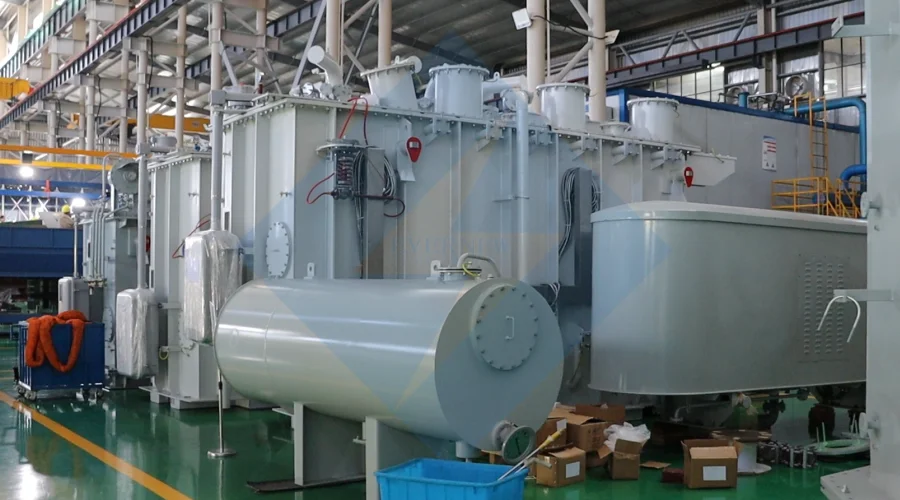
5. Globale Effizienzstandards
Die Einhaltung internationaler Normen gewährleistet, dass die Transformatoren die Anforderungen an die Energieeffizienz und die Umweltvorschriften erfüllen.
5.1 Vereinigte Staaten - DOE-Normen
-
Die DOE-Vorschriften von 2016 definieren Mindestwerte für die Energieeffizienz von Verteiltransformatoren
-
Hocheffiziente Transformatoren reduzieren sowohl Leerlauf- als auch Lastverluste
-
Das NEMA TP1-Prüfprotokoll gewährleistet eine einheitliche Bewertung der Effizienz
5.2 Europäische Union - Ökodesign Stufe 2
-
Die Tier-2-Normen sind die strengsten und gelten ab 2023
-
Einhaltung von Effizienz-, Lärm- und Umweltvorschriften
-
Förderung des Einsatzes von verlustarmen Transformatoren im gewerblichen und industriellen Bereich
5.3 Internationale Normen
-
IEC 60076-Reihe für Leistungstransformatoren
-
ISO 50001 Energiemanagement für Herstellung und Betrieb
-
Konformität signalisiert Zuverlässigkeit und Qualität für europäische und amerikanische Käufer
Erfahren Sie mehr:Transformadores de línea eléctrica: 2025 Guía completa técnica y del comprador
6. Wirtschaftliche Vorteile von energieeffizienten Transformatoren
Auch wenn die Anschaffungskosten eines energieeffizienten Transformators höher sind als die herkömmlicher Modelle, sind die Gesamtbetriebskosten (TCO) ist aufgrund des geringeren Stromverbrauchs und der geringeren Wartung deutlich niedriger.
| Merkmal | Konventioneller Transformator | Energieeffizienter Transformator | Ersparnisse |
|---|---|---|---|
| Leerlaufverlust | 550 W | 150 W | 400 W Reduzierung |
| Jährliche Betriebsstunden | 8760 h | 8760 h | – |
| Jährlich eingesparte Energie | – | 3066 kWh | – |
| Jährliche Kosteneinsparungen | – | $400-$500 | – |
Über eine Lebensdauer von 15 bis 25 Jahren gleichen die kumulierten Energieeinsparungen die Anfangsinvestition oft um ein Vielfaches aus.
7. Anwendungen von energieeffizienten Transformatoren
Energieeffiziente Transformatoren sind in den folgenden Sektoren weit verbreitet:
-
Stromerzeugungsanlagen - minimiert Übertragungsverluste
-
Vertriebsnetze - insbesondere in städtischen oder stark nachgefragten Gebieten
-
Datenzentren - gewährleistet hohe Zuverlässigkeit bei minimaler Energieverschwendung
-
EV-Ladestationen - reduziert Energieverluste bei Spitzenlasten
-
Krankenhäuser und gewerbliche Gebäude - Sicherheit, Effizienz und leiser Betrieb
-
Farmen für erneuerbare Energien - Auf- und Abspanntransformatoren für Solar- und Windparks
8. Wichtige Konstruktionsmerkmale für hohe Effizienz
-
Hochdurchlässiger Siliziumstahl oder amorphe Kerne
-
Mehrschichtige Wicklungsgeometrie für reduzierten Kupferverlust
-
Optimiertes Design des magnetischen Flusses
-
Verlustarme Dämmstoffe
-
Effiziente Kühl- und Wärmeabgabesysteme
-
Funktionen zur Rauschunterdrückung
9. Ökologische und umweltfreundliche Vorteile
-
Geringere CO₂-Emissionen durch geringeren Energieverbrauch
-
Längere Lebensdauer des Transformators verringert die Austauschhäufigkeit
-
Biologisch abbaubare oder umweltverträgliche Isolieröle
-
Höhere Wiederverwertbarkeit von Kern- und Leitermaterialien
10. Intelligente Überwachung für optimierte Leistung
Intelligente Transformatoren sind mit digitaler Überwachung und IoT-Technologie ausgestattet:
-
Last- und Wärmeüberwachung in Echtzeit
-
Vorausschauende Wartungswarnungen
-
Fernverwaltung und -analytik
-
Integration mit intelligenten Netzen zur Optimierung der Effizienz
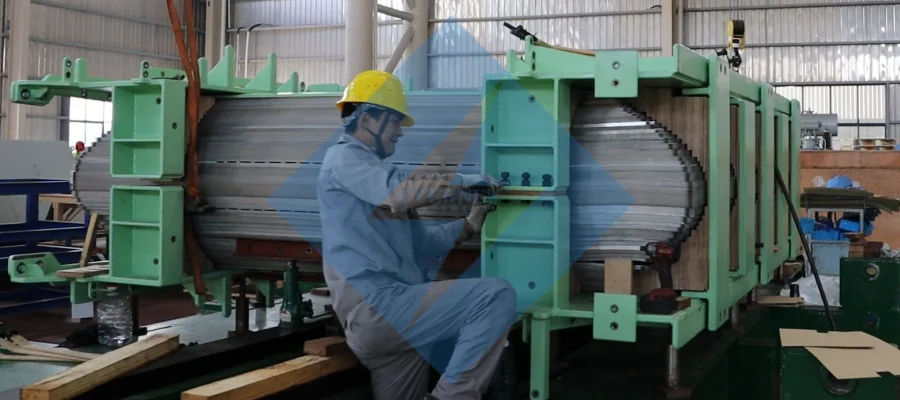
11. Fallstudien
Fall 1: US-Rechenzentrum
-
Ersetzen herkömmlicher Transformatoren durch hocheffiziente Modelle mit Ölbad
-
Senkung des jährlichen Stromverbrauchs um 25.000 kWh
-
Jährliche Kosteneinsparungen: $25.000
Fall 2: Europäische EV-Ladestation
-
Installierte Transformatoren mit amorphem Kern
-
Reduzierung der Leerlaufverluste durch 67%
-
ROI innerhalb von 3-4 Jahren erreicht
Fall 3: Nachrüstung eines Industrieparks
-
Ersetzen konventioneller Transformatoren durch energieeffiziente Trockentransformatoren
-
Gesamtkostenreduzierung über drei Jahre: 15-20%
12. Häufige Missverständnisse
-
"Zu teuer im Voraus" - Einsparungen über den Lebenszyklus überwiegen die anfänglichen Kosten
-
"Effizienz spielt bei geringer Last keine Rolle" - Leerlaufverluste dominieren bei niedriger Last, daher ist der Wirkungsgrad entscheidend
-
"Trockentransformatoren sind weniger effizient" - moderne Trockentransformatoren erfüllen die DOE- und EU-Effizienzstandards
-
"Amorpher Kern nur für kleine Transformatoren" - große amorphe Transformatoren sind machbar und werden zunehmend eingesetzt
13. Wie man den richtigen energieeffizienten Transformator auswählt
-
Bestimmung der Spannungsebene und des Kapazitätsbedarfs
-
Bewertung des typischen Lastprofils
-
Berücksichtigung von Umweltfaktoren (Temperatur, Feuchtigkeit, Aufstellungsort)
-
Bewertung der Lärmschutzanforderungen
-
Überprüfung der Einhaltung der DOE-/Ökodesign-Normen
-
Wählen Sie einen seriösen Hersteller mit nachgewiesener Erfahrung (z. B. Evernew Transformer)
14. Warum Evernew Transformer wählen
-
Führender Hersteller von energieeffizienten Transformatoren in China
-
Produktpalette: 110kV / 220kV / 500kV, trockener Typ, in Öl getauchtund amorphem Kern
-
Fabrik erstreckt sich über mehr als 500 Hektar, 1200 Mitarbeiter, darunter mehr als 300 Ingenieure
-
Exporterfahrung in den USA, Kanada, Europa und Südostasien
-
OEM- und ODM-Lösungen verfügbar
-
Schnelle Lieferung und weltweiter Kundendienst
15. Schlussfolgerung
Energieeffiziente Transformatoren sind entscheidend für die Verwirklichung moderner, nachhaltiger Energiesysteme. Sie bieten:
-
Geringere Betriebskosten
-
Geringere Kohlenstoffemissionen
-
Einhaltung der Effizienzvorschriften der USA und der EU
-
Längere Lebensdauer der Geräte
Die Investition in hocheffiziente Transformatoren ist nicht nur eine kluge wirtschaftliche Entscheidung, sondern auch ein strategischer Schritt in Richtung Nachhaltigkeit.
Wenden Sie sich noch heute an Evernew Transformer, um hocheffiziente Transformatorlösungen zu erhalten, die die Betriebskosten senken und nachhaltige Energiesysteme unterstützen.
