
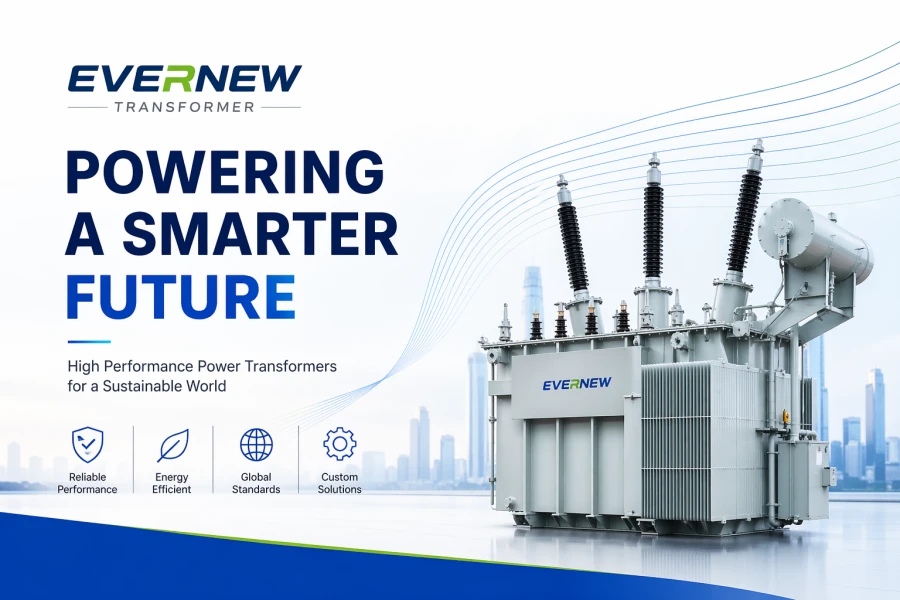
Introduction: The Global Energy Transition Is Reshaping Power Infrastructure
The global power industry is undergoing a fundamental transformation. Driven by rapid electrification, renewable energy expansion, and the rise of digital smart grids, electricity networks are being redesigned at every level—from generation to transmission and distribution.
At the center of this transformation lies one critical component: the high voltage power transformer.
As countries invest heavily in grid modernization, 110 кВ, 220 кВ, and 500kV transformers are becoming essential infrastructure for ensuring stability, efficiency, and reliability in increasingly complex power systems.
This article explores how high voltage transformers are enabling the next generation of smart grids and why they remain indispensable in global energy development.
1. The Shift Toward Smart and Decentralized Power Systems
Traditional power grids were designed for a one-way flow of electricity—from large centralized power plants to end users. However, this model is no longer sufficient.
Today’s energy systems are characterized by:
- Large-scale renewable integration (solar, wind, hydro)
- Distributed generation (microgrids, industrial generation)
- Bidirectional power flow
- Real-time digital monitoring and automation
These changes introduce significant challenges:
- Voltage instability
- Power fluctuation from renewables
- Increased short-circuit stress
- Complex load balancing requirements
To manage these challenges, high-performance силовые трансформаторы are required to act as both voltage regulators and system stabilizers within smart grids.
2. The Critical Role of High Voltage Transformers in Modern Grids
High voltage transformers serve as the backbone of long-distance power transmission and grid interconnection.
Their primary functions include:
Voltage Step-Up and Step-Down
Electricity generated at power plants must be stepped up to ultra-high voltages (110kV–500kV) to minimize transmission losses over long distances.
Grid Interconnection
Transformers enable synchronization between different grid zones, ensuring stable energy exchange across regions and countries.
System Stability
They regulate voltage fluctuations caused by variable renewable energy sources such as wind and solar.
Fault Protection
High voltage transformers are designed to withstand short-circuit conditions and maintain system integrity during electrical disturbances.
Without reliable transformer infrastructure, modern power grids cannot operate efficiently or safely.
3. Engineering Challenges in High Voltage Transformer Design
Designing high voltage transformers for modern applications requires advanced engineering across multiple disciplines.
3.1 Loss Reduction and Energy Efficiency
Core losses and copper losses must be minimized using:
- High-grade silicon steel cores
- Optimized winding geometry
- Advanced insulation systems
3.2 Thermal Management
Effective cooling systems (ONAN, ONAF, OFAF) are essential to maintain temperature stability under heavy load conditions.
3.3 Short-Circuit Strength
Transformers must withstand extreme mechanical forces during fault conditions without deformation or failure.
3.4 Insulation Coordination
Proper insulation design ensures reliability under high voltage stress, partial discharge control, and environmental conditions.
3.5 Compliance with International Standards
Modern transformers are typically designed according to:
- IEC 60076 series
- IEEE standards
- Regional certification requirements (CE, UL, CSA, etc.)
4. Renewable Energy Integration: A New Demand for Transformers
The rapid expansion of renewable energy has significantly increased demand for specialized transformer solutions.
Wind Power Applications
Wind farms require step-up transformers to connect turbine-generated power to high-voltage transmission systems.
Solar Power Plants
Photovoltaic systems rely on medium-to-high voltage transformers to stabilize fluctuating DC/AC conversion output.
Energy Storage Systems (BESS)
Battery storage integration requires transformers capable of handling dynamic load variations and bidirectional energy flow.
These applications require transformers with higher adaptability, lower losses, and improved dynamic response capabilities.
Read More:How to Buy Power Transformers from China: Complete Procurement Guide | Evernew Transformer
5. The Future: Smart Transformers and Digital Grid Integration
The next generation of power transformers is evolving beyond passive equipment.
Key trends include:
IoT-Based Monitoring
Real-time monitoring of temperature, oil condition, and load performance.
Predictive Maintenance
AI-driven analytics to detect early-stage faults and reduce downtime.
Digital Twin Technology
Virtual simulation of transformer behavior for performance optimization.
Eco-Friendly Design
Use of biodegradable insulation oils and low-loss materials to support carbon neutrality goals.
These innovations are reshaping how transformers contribute to smart grid ecosystems.
6. Global Manufacturing and Supply Chain Considerations
As global demand increases, the transformer industry is becoming more interconnected.
Key factors influencing procurement decisions include:
- Manufacturing capacity and scalability
- Delivery lead time for large power transformers
- Custom engineering capability (OEM / ODM)
- International certifications and compliance
- Experience in EPC and utility-scale projects
Reliable manufacturers play a critical role in ensuring that infrastructure projects are delivered on time and meet strict technical requirements.
Conclusion: Transformers Remain the Foundation of the Energy Transition
Despite rapid advancements in renewable energy and digital grid technologies, the importance of high voltage transformers continues to grow.
They are not just components of the power system—they are the foundation that enables global electrification, renewable integration, and energy security.
As the world moves toward smarter and more sustainable energy systems, high voltage transformer technology will remain a core driver of infrastructure development for decades to come.
